


 English
 中文简体
中文简体 русский
product
product
product
product
product
product
product
product
product
product
product
product
product
product
product
product

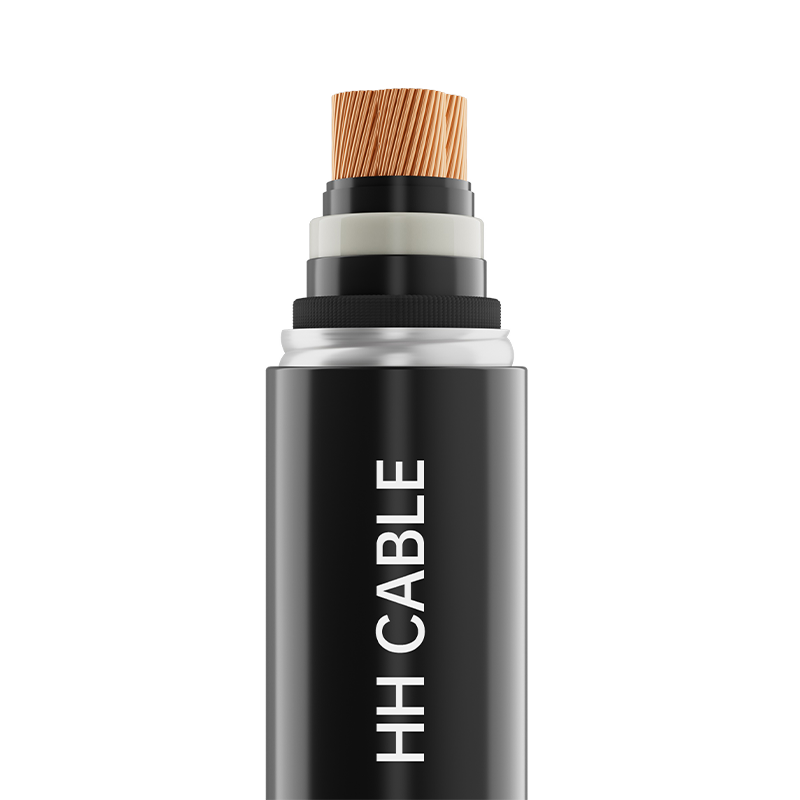
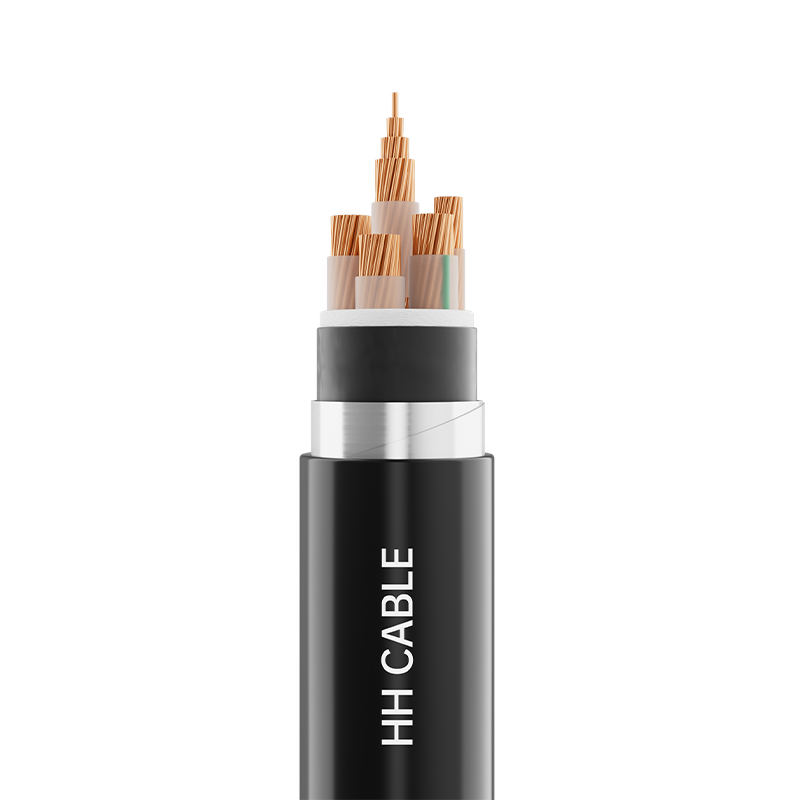
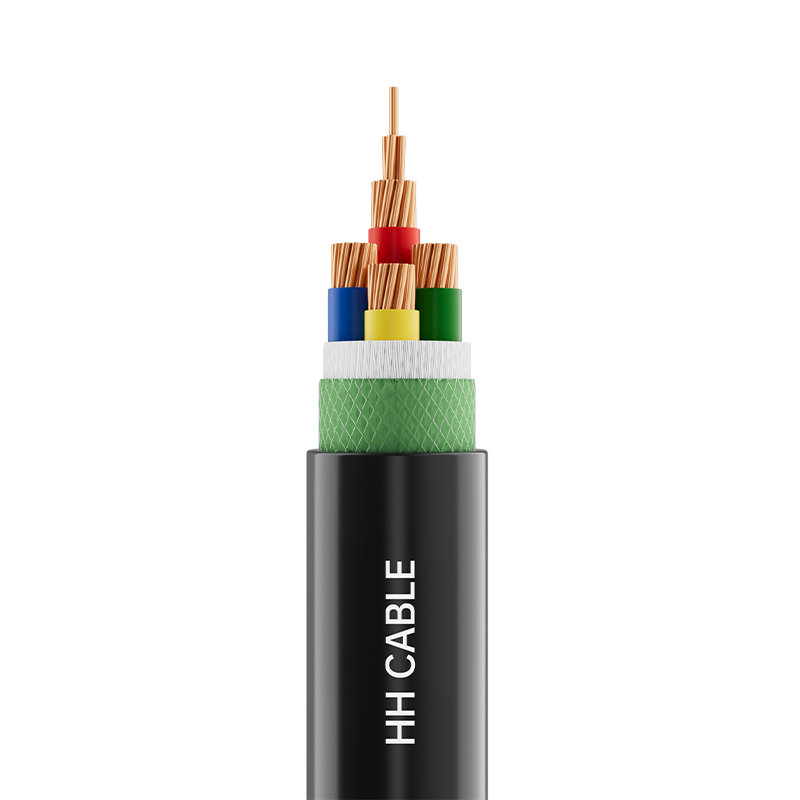
Power Grid Transmission & Transformation Cables
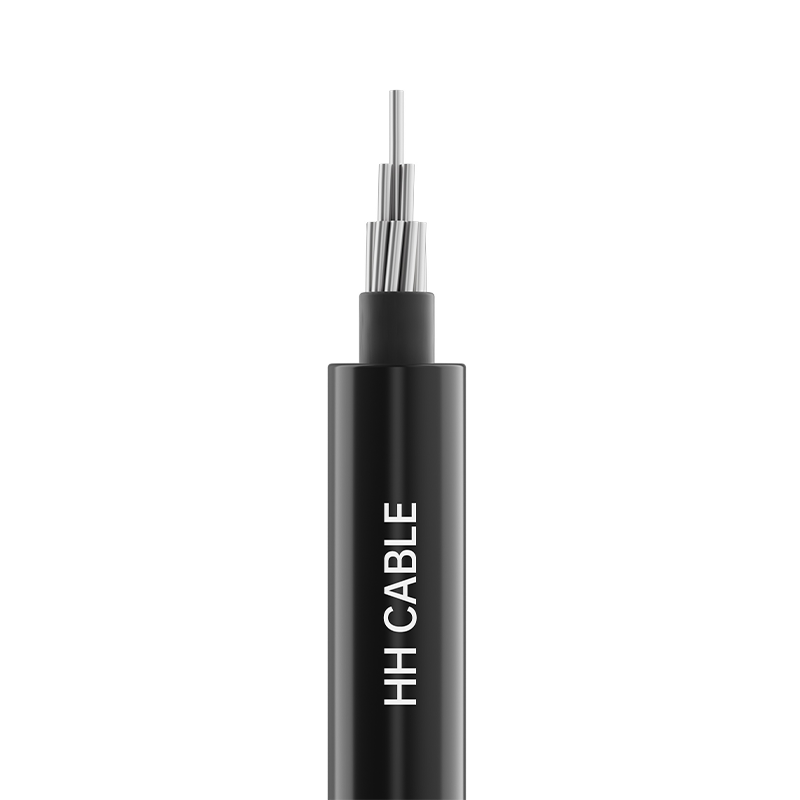

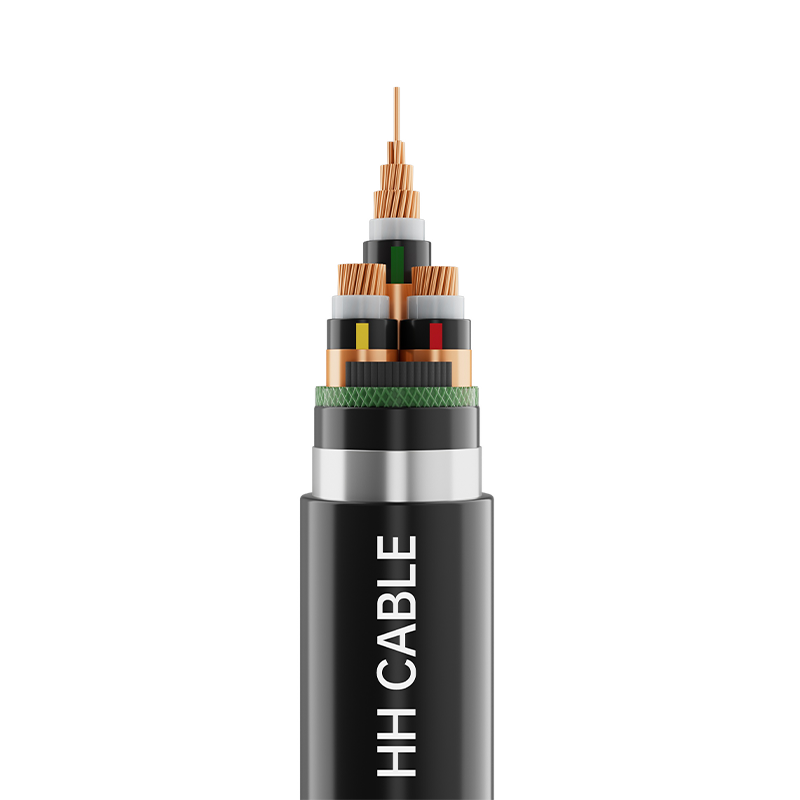
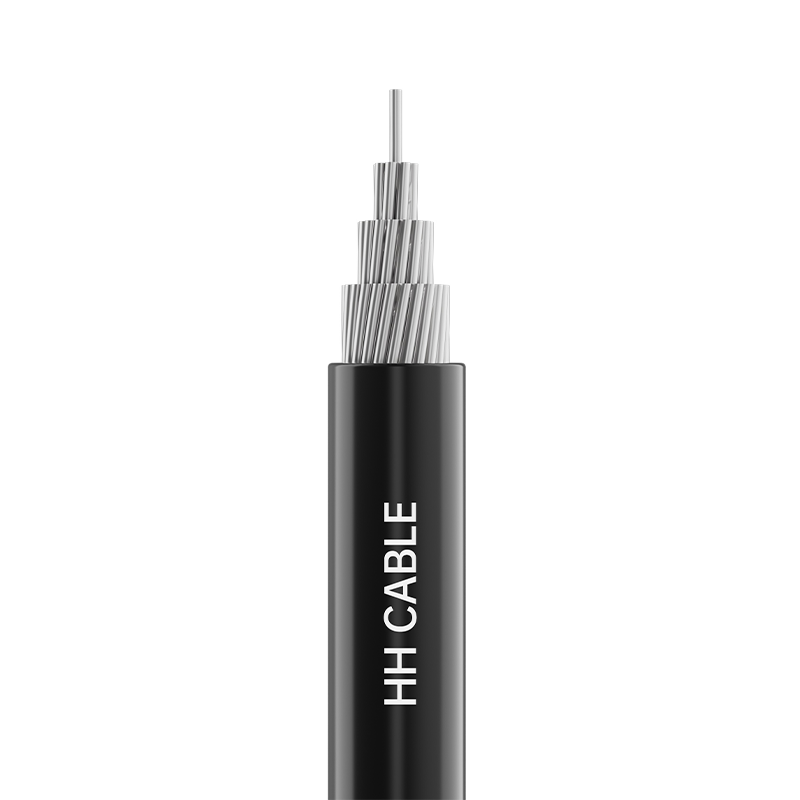
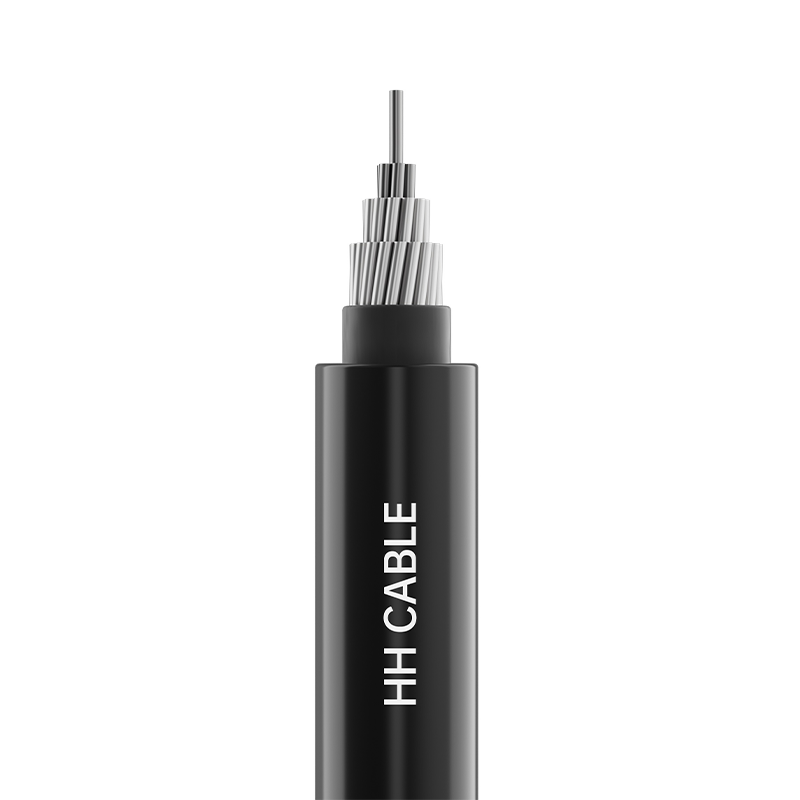
Featured Products
Comprehensive Cable Solutions

Message Feedback
About Us
Wuxi Henghui Cable Co., Ltd.
Is A Manufacturer Specializing In The Research,
Development, Production, and Sales Of Wires and Cables.
The company primarily produces power cables up to 110kV and below, including high and low-voltage cross-linked cables, plastic-insulated power cables, control cables, insulated overhead cables, mining cables, computer cables, aluminum alloy cables, as well as other special types of cables.
Over the years, Henghui Cable has earned a strong reputation among its customers. China Supplier of 10kV Overhead Insulated Cable. We are committed to providing reliable products, competitive prices, and comprehensive services to meet the needs of our users. We sincerely welcome both new and existing customers to collaborate with us.
-
0m2
Factory Area
-
0+
Technical Personnel
-
0+
Professional Equipment
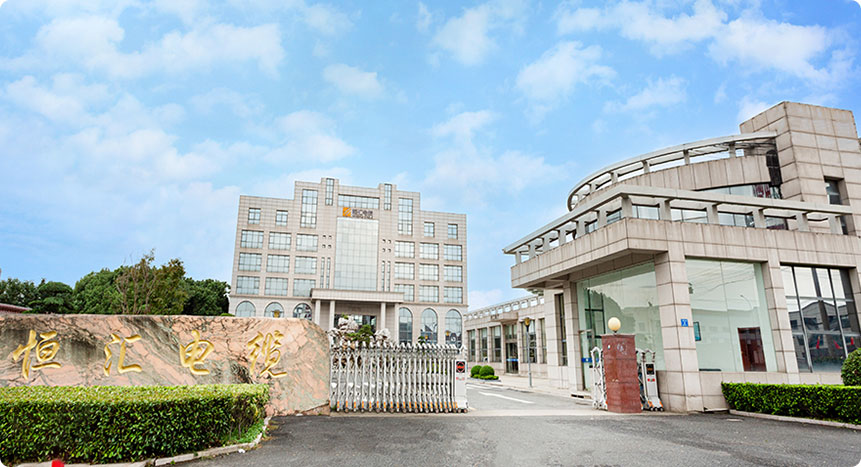

WUXI HENGHUI CABLE CO., LTD.
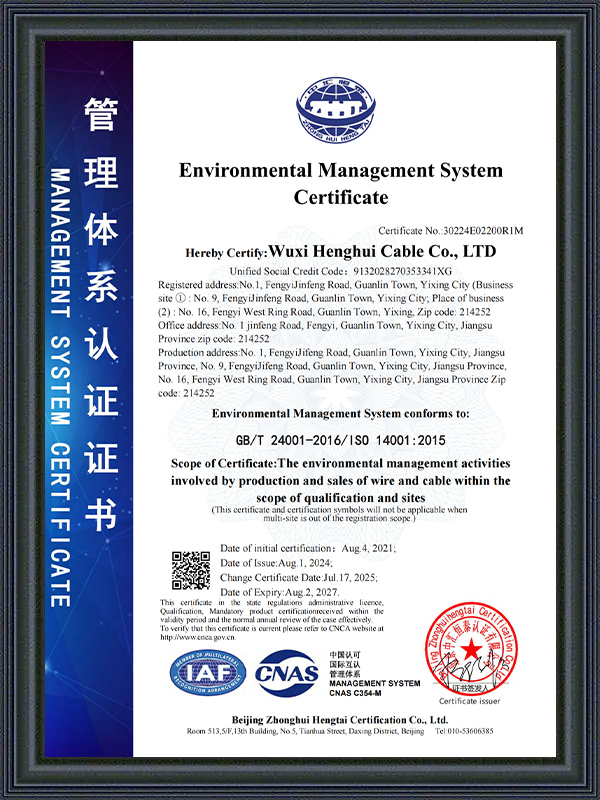
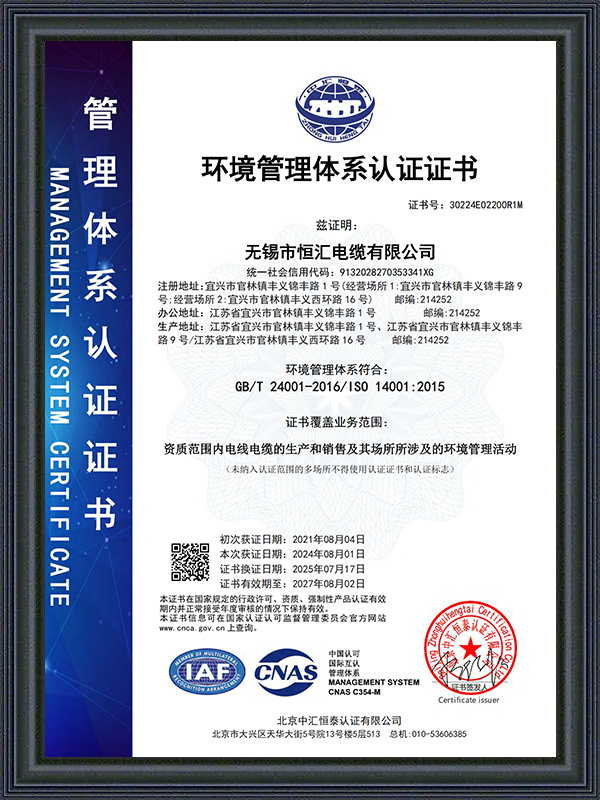
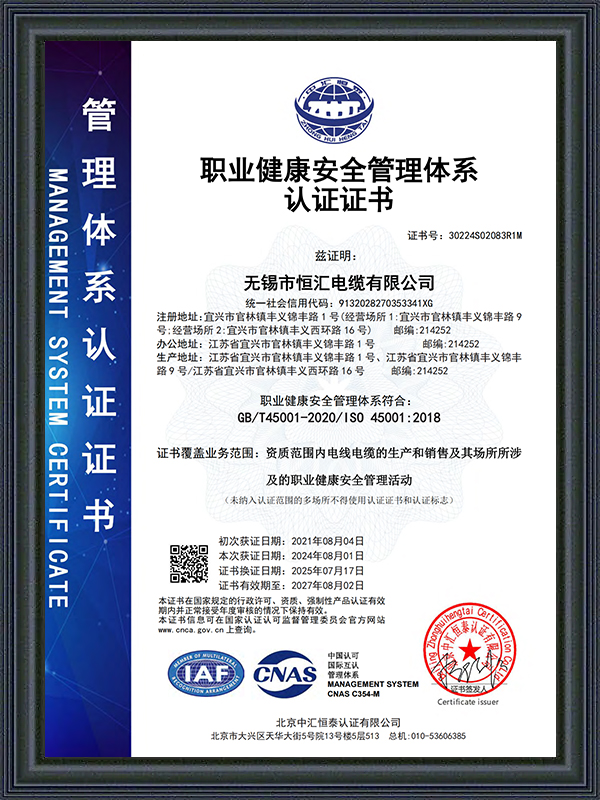
Certificate Of Honor
.jpg)
.jpg)
.jpg)
What’s News
Industry Insights & Updates
View All News
-
2026-10-13Industry News
-
2026-10-08Industry News
-
2026-09-28Industry News


Ready To Customise
Your Cable Products?
Your Cable Products?

Relying on genuine core quality to build a renowned brand, striving to become a benchmark for advanced
cable standards. Supplier of 10kV Overhead Insulated Cable.
Product Categories
Quick Links
Contact Us
-
Email: [email protected]

-
Mobile: +86-0510-87296815

-
Fax: +86-0510-87295158

-
No. 1, Fengyi Jinfeng Road, Guanlin Town, Yixing City, Jiangsu Province, China

Copyright © Wuxi Henghui Cable Co., Ltd. All Rights Reserved. Wholesale 10kV Overhead Insulated Cable
