


 English
 中文简体
中文简体 русский
Railroad Cable Explained: Types, Key Standards, and How to Choose the Right One
Railroad Cable Explained: Types, Key Standards, and How to Choose the Right One
Railroad Cable Explained: Types, Key Standards, and How to Choose the Right One
Railroad Cable Explained: Types, Key Standards, and How to Choose the Right One
Railroad Cable Explained: Types, Key Standards, and How to Choose the Right One
Railroad Cable Explained: Types, Key Standards, and How to Choose the Right One
Railroad Cable Explained: Types, Key Standards, and How to Choose the Right One
Railroad Cable Explained: Types, Key Standards, and How to Choose the Right One
Railroad Cable Explained: Types, Key Standards, and How to Choose the Right One
Railroad Cable Explained: Types, Key Standards, and How to Choose the Right One
Railroad Cable Explained: Types, Key Standards, and How to Choose the Right One
Railroad Cable Explained: Types, Key Standards, and How to Choose the Right One
Railroad Cable Explained: Types, Key Standards, and How to Choose the Right One
Railroad Cable Explained: Types, Key Standards, and How to Choose the Right One
Railroad Cable Explained: Types, Key Standards, and How to Choose the Right One
Railroad Cable Explained: Types, Key Standards, and How to Choose the Right One

Industry News
Home / News / Industry News / Railroad Cable Explained: Types, Key Standards, and How to Choose the Right One
Product Category
NEW Category
Contact us
 +86-0510-87296815
Railroad Cable Explained: Types, Key Standards, and How to Choose the Right One
Content
What Exactly Is Railroad Cable?
When a railway contractor publishes a tender for railroad cable, the winning bid rarely comes from a single product. The phrase covers traction feeder cables, signal cables, control cables, variable frequency drive (VFD) power cables, track bond wires, and communication links. All of them share one trait: they are designed for railway service conditions, not for a generic building installation.
In everyday language, "cable railway" can also describe a rope-hauled railway, but this article focuses on the electrical meaning. On a modern rail system, the cable network is almost as important as the track itself. It supplies power to trains, keeps signals and switches operating, protects passengers and staff from electrical faults, and helps detect train position. Because railway environments combine vibration, temperature swings, moisture, salt, and electromagnetic noise, a small compromise in cable specification can cause failures that are expensive to reach and repair.
Main Types of Railroad Cable
There is no universal railroad cable, but most applications fall into a few recognizable categories. Choosing the right category early in the design process prevents costly changes later.
Traction Power Supply Cables
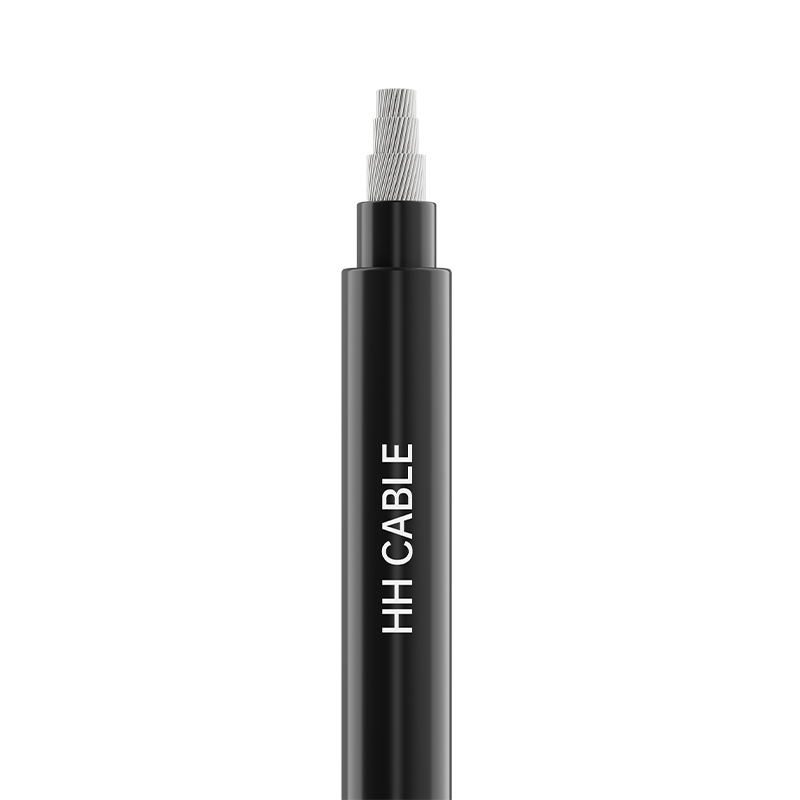
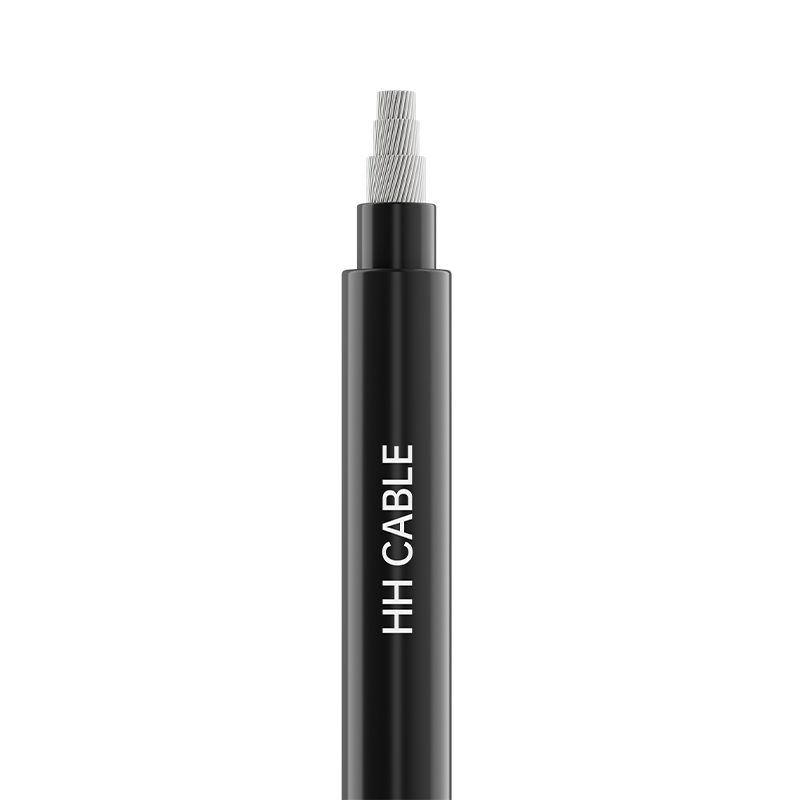
The most visible railroad cable is the one that delivers power to trains and trams. In a typical tram system, medium voltage power is distributed at 10 kV from a substation to trackside switchgear and then to the catenary or third rail. A dedicated product for this role is a 10 kV XLPE insulated power cable for tram power supply. XLPE insulation provides strong resistance to voltage stress and moisture, while the outer sheath protects against chemicals, abrasion, and installation damage.
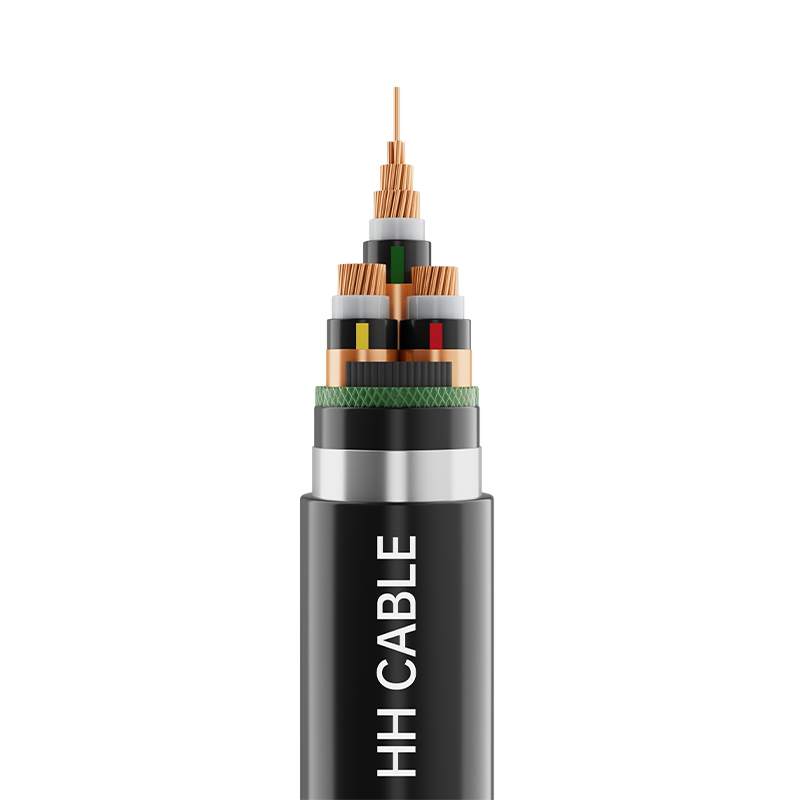 10kV XLPE Insulated Power Cable For Tram Power Supply System Engineering SupplieWuxi Henghui Cable Co., Ltd is China Suppliers of 10kV XLPE Insulated Power Cable For Tram Power Supply System Engineering, Wholesale 10k...View Product →
These cables are commonly laid in ducts, troughs, or cable pits along the alignment. Water can sit inside a conduit for years, so the cable must have good water-tree resistance and a stable insulation structure. For the same reason, terminations and joints are just as important as the cable itself; a well-made cable can fail if the accessory kit is not rated for the application.
Signal and Control Cables
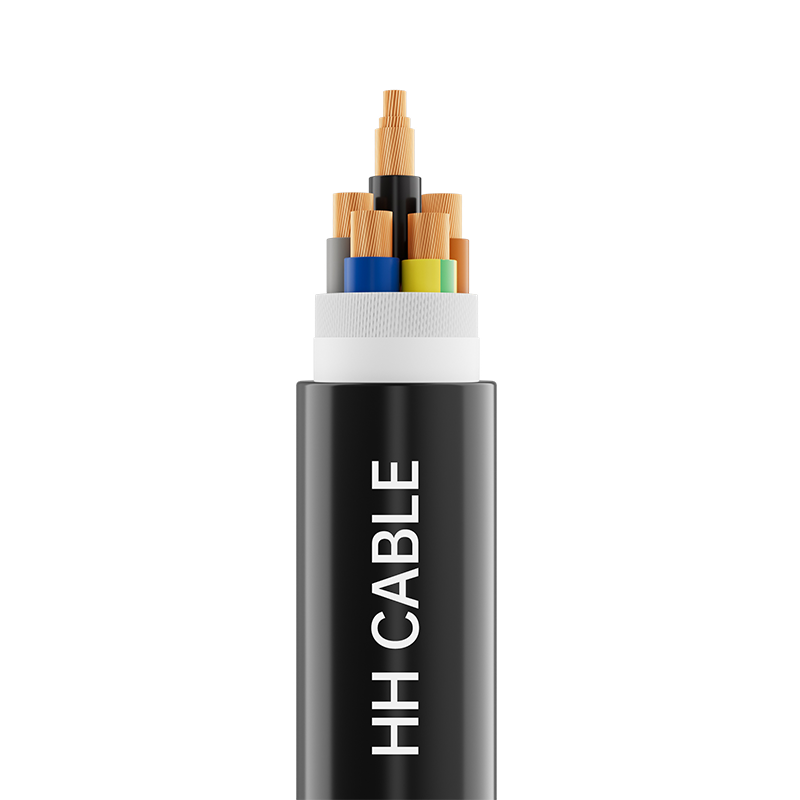
Signaling systems operate at low voltage, but the consequences of a false signal or an open circuit are severe. Control cables connect switch machines, signals, interlocking relays, and SCADA equipment. For station and wayside use, many engineers specify XLPE insulated control cables because the insulation remains stable at higher ambient temperatures and has good resistance to oils and chemicals.
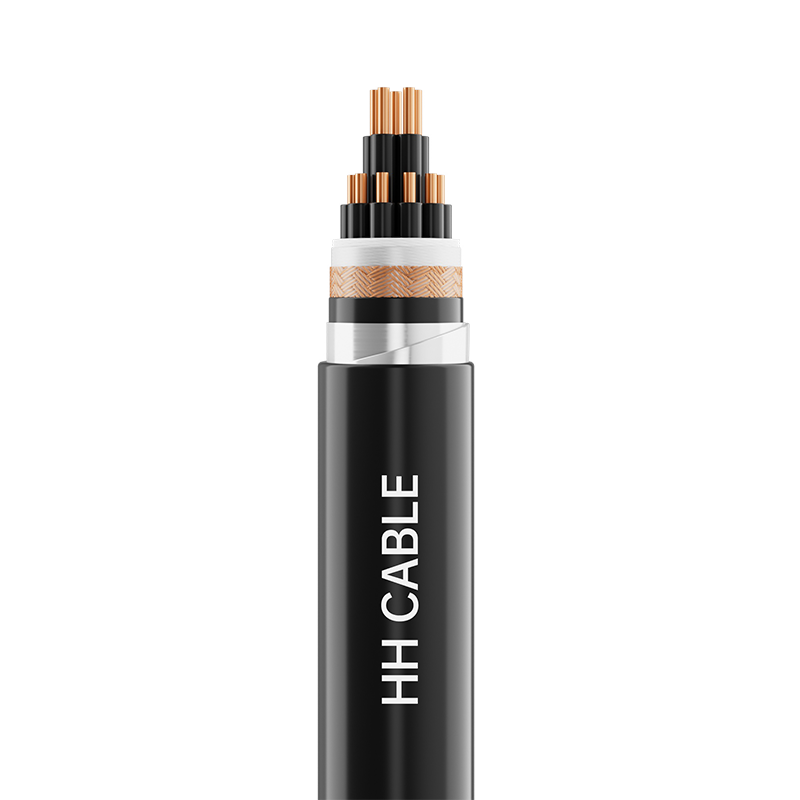 450-750V Cross-Linked Polyethylene Insulated Control Cable Suppliers, Wholesale Wuxi Henghui Cable Co., Ltd is China Suppliers of 450-750V Cross-Linked Polyethylene Insulated Control Cable, Wholesale 450-750V Cross-Li...View Product →
Instrumentation loops that carry sensor signals require tighter electrical performance. Screening, twisting, and proper grounding are the main defenses against interference from traction power. The failure mechanisms in a rail corridor are similar to those found in hazardous industrial plants; this guide on how instrumentation cables ensure safety in hazardous industrial zones explains why insulation resistance and shielding matter in environments with heavy electrical noise.
Variable Frequency Drive Cables
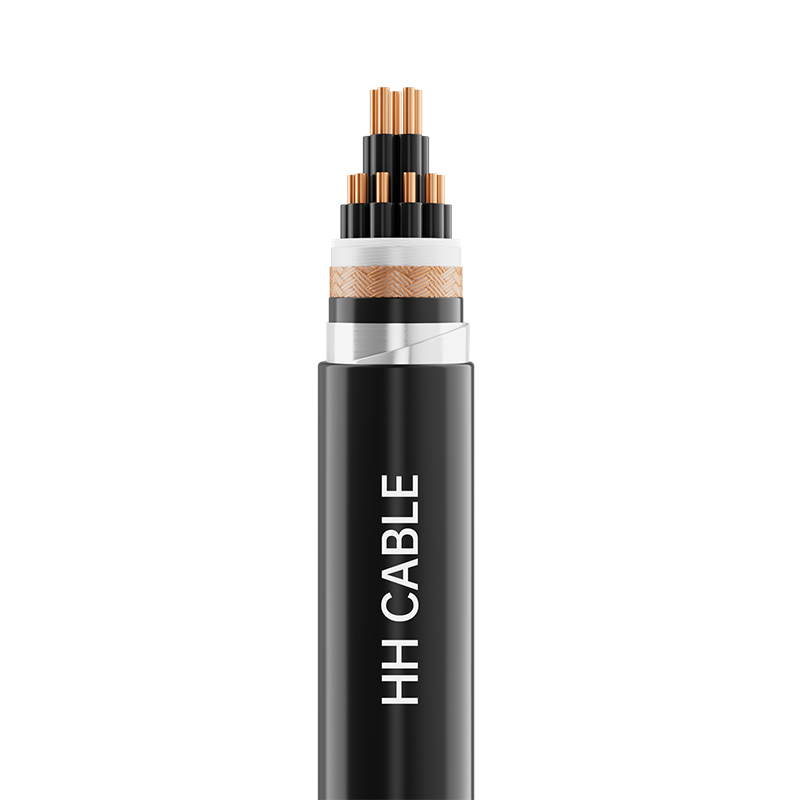
Traction drives, depot cranes, ventilation fans, pumps, and compressors often use variable frequency drives. When a VFD sends a pulse-width-modulated waveform, the motor cable can experience reflected voltage peaks and high-frequency common-mode currents. A standard building wire is rarely the right solution. A balanced design such as a 1 kV variable frequency power cable uses symmetric phase construction and shielding to reduce radiated noise and protect motor insulation.
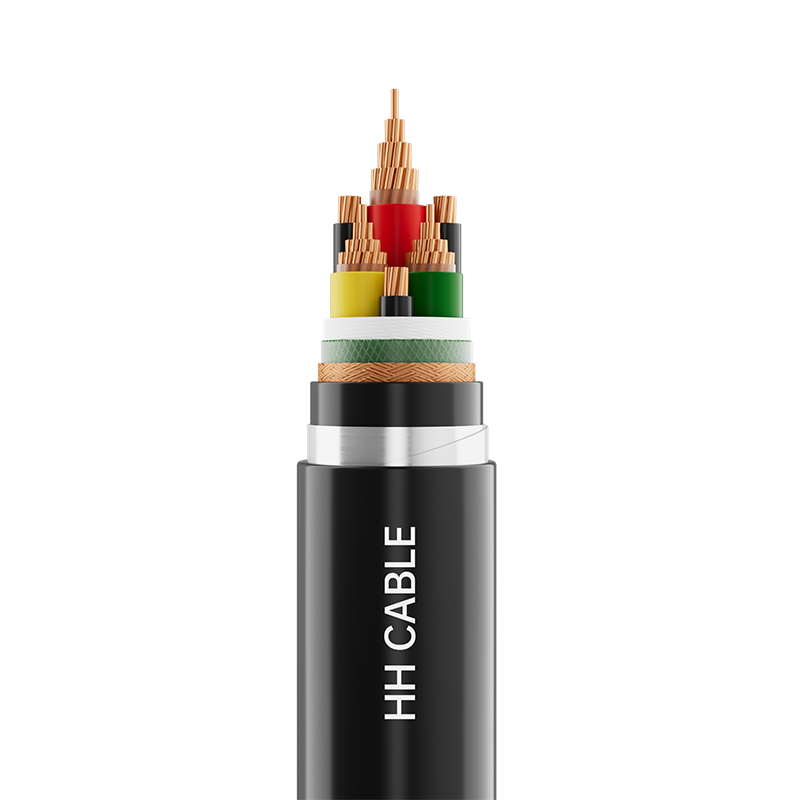 Rated Voltage 1kV Variable Frequency Power Cable Suppliers, Wholesale Company - Wuxi Henghui Cable Co., Ltd is China Suppliers of Rated Voltage 1kV Variable Frequency Power Cable, Wholesale Rated Voltage 1kV Variable ...View Product →
VFD cables are also used in maintenance depots, station air conditioning plants, and rail tunnel ventilation. In these applications, the cable should be selected for the number of starts, cable length, and the type of drive output filter, not just the motor rating.
Other Railroad Cable Specialties
Track bond cables are small but critical. They are bolted across rail joints to carry track-circuit current from one rail to the next. If the bond corrodes or breaks, the signaling system can lose train detection. Switch heating cables, lightning protection conductors, and communication cables complete the railroad cable family. Each specialty has its own material specifications and installation methods.
Key Standards and Specification Considerations
Railroad cable specifications vary by country, operator, and installation zone. No single standard covers every railway cable, but certain references appear frequently in project documents.
Common Reference Standards
IEC 60502 covers power cables with extruded insulation up to medium voltage and is often used as a base for traction feeder cables. For rolling stock and trackside cables with special fire performance, railway-specific standards such as EN 50264, EN 50306, and EN 50382 are common. Fire behavior is addressed by EN 45545, which defines requirements for materials used in railway vehicles. Local operators may also invoke national standards or their own company specifications.
What to Include in a Specification
A clear railroad cable specification should state the nominal voltage, insulation level, conductor material and cross-section, number of cores, sheath compound, and any shielding requirement. Fire performance should be specified as flame retardance, low smoke, and halogen-free behavior if the cable will be used in a tunnel, station, or other confined space. Mechanical requirements such as impact resistance, UV stability, or crush strength may be necessary for trackside installation.
| Cable Type | Typical Installation | Key Requirement |
|---|---|---|
| Traction feeder cable | Trackside duct or trough | Voltage insulation, moisture resistance |
| Control cable | Station cabinets, switch machines | Stable insulation, flame retardance |
| VFD power cable | Drive panels, motor circuits | Shielding, capacitance balance |
| Track bond cable | Between rail joints | Low resistance, corrosion resistance |
In most railway projects, the operator's internal standards are stricter than a generic code. Confirm the project-specific requirements before you approve a cable type.
Common Specification Mistakes and How to Avoid Them
Most railroad cable failures do not appear on day one. They appear after months of vibration, heat cycling, water ingress, or chemical exposure. The most frequent mistakes are selecting a generic industrial cable without fire performance, ignoring mechanical protection, and underestimating electromagnetic interference.
- Confirm the actual system voltage and insulation class. A cable rated for 1 kV may be acceptable in some station circuits, but the traction feeder must match the distribution voltage and fault rating.
- Define fire and smoke performance in the tender document. Materials should have a tested flame-retardant or low-smoke, halogen-free rating where required.
- Request type test and routine test reports. A reliable supplier will provide insulation resistance, high-voltage test, conductor resistance, and construction data.
- Check custom length capability. Long continuous lengths reduce the number of joints in a tunnel or along the track.
- Ask about lead time and project support. Railway installers need delivery windows that match track possession and civil work schedules.
One useful comparison is why infrastructure construction cables differ from standard cables, because railway projects face the same gap between a basic product and a site-specific solution. In depots with rooftop solar or battery storage, the selection process also overlaps with the role of new energy cables in energy storage. Treating these as separate categories often leads to better engineering decisions.
Working with a Cable Manufacturer
For railway projects, buying railroad cable directly from an experienced manufacturer can shorten the approval loop. The manufacturer can provide original routine and type test data, material traceability, and custom lengths that reduce on-site joints. A factory that already produces medium voltage power cable, control cable, and VFD cable can also help consolidate specifications into fewer purchase orders.
Our production facility in Wuxi, China, has manufactured cables for power, industrial, and infrastructure projects since 1998. We operate an in-house technical center, use online diameter and eccentricity monitoring on our 110 kV CCV line, and produce cable types relevant to railway work. For tram power supply, the 10 kV XLPE tram feeder cable is a direct option; for auxiliary systems, control and VFD cables cover most station and depot needs.
The conclusion is straightforward: railroad cable is a specialty purchase. Start with the physical environment, voltage duty, and fire safety target, then select a cable and a supplier that can demonstrate compliance through test documents and consistent production quality.
PREV:How Deep Should Electrical Conduit Be Buried? NEC Minimum Burial Depths
NEXT:Cross Linked Polyethylene XLPE: Ultimate Cable Guide
NEXT:Cross Linked Polyethylene XLPE: Ultimate Cable Guide
Interested in cooperation or have questions?
Featured Products
Comprehensive Cable Solutions


Ready To Customise
Your Cable Products?
Your Cable Products?

Customized Cable Solutions, Bulk Wire Supplier in China. Relying on genuine core quality to build a renowned brand, striving to become a benchmark for advanced
cable standards.
Product Categories
Quick Links
Contact Us
-
Email: [email protected]

-
Mobile: +86-0510-87296815

-
Fax: +86-0510-87295158

-
No. 1, Fengyi Jinfeng Road, Guanlin Town, Yixing City, Jiangsu Province, China

Copyright © Wuxi Henghui Cable Co., Ltd. All Rights Reserved. Custom Cable Manufacturers Electrical Cables Factory
