


 English
 中文简体
中文简体 русский
How Deep Should Electrical Conduit Be Buried? NEC Minimum Burial Depths
How Deep Should Electrical Conduit Be Buried? NEC Minimum Burial Depths
How Deep Should Electrical Conduit Be Buried? NEC Minimum Burial Depths
How Deep Should Electrical Conduit Be Buried? NEC Minimum Burial Depths
How Deep Should Electrical Conduit Be Buried? NEC Minimum Burial Depths
How Deep Should Electrical Conduit Be Buried? NEC Minimum Burial Depths
How Deep Should Electrical Conduit Be Buried? NEC Minimum Burial Depths
How Deep Should Electrical Conduit Be Buried? NEC Minimum Burial Depths
How Deep Should Electrical Conduit Be Buried? NEC Minimum Burial Depths
How Deep Should Electrical Conduit Be Buried? NEC Minimum Burial Depths
How Deep Should Electrical Conduit Be Buried? NEC Minimum Burial Depths
How Deep Should Electrical Conduit Be Buried? NEC Minimum Burial Depths
How Deep Should Electrical Conduit Be Buried? NEC Minimum Burial Depths
How Deep Should Electrical Conduit Be Buried? NEC Minimum Burial Depths
How Deep Should Electrical Conduit Be Buried? NEC Minimum Burial Depths
How Deep Should Electrical Conduit Be Buried? NEC Minimum Burial Depths

Industry News
Home / News / Industry News / How Deep Should Electrical Conduit Be Buried? NEC Minimum Burial Depths
Product Category
NEW Category
Contact us
 +86-0510-87296815
How Deep Should Electrical Conduit Be Buried? NEC Minimum Burial Depths
The trench is open, the conduit is glued, and the inspector's tape measure shows 17 inches from grade to the top of the PVC raceway. The code says 18. That single inch means a full re-dig.
Burial depth for electrical conduit is a minimum requirement, not a suggestion. The National Electrical Code (NEC) sets the baseline, but the depth you actually need depends on the conduit material, the circuit type, the surface above the trench, and the local amendments enforced in your jurisdiction.
Direct takeaway: direct-burial cable requires 24 inches of cover, PVC conduit requires 18 inches, and rigid metal conduit (RMC/IMC) requires only 6 inches. Under a concrete slab the cover can be reduced, but the raceway must be continuous and listed for the location. Confirm local amendments before backfilling.
Content
- 1 NEC 300.5 at a Glance: Burial Depth Requirements
- 2 Why Burial Depth Is a Safety Decision, Not Just a Code Number
- 3 How Depth Changes by Application
- 4 The Hidden Factors That Change the Ideal Depth
- 5 Industry Application Distribution
- 6 An Installation Workflow That Keeps the Trench Correct the First Time
- 7 Maintenance and Compliance After the Trench Is Closed
NEC 300.5 at a Glance: Burial Depth Requirements
NEC Table 300.5 is the authoritative minimum-cover reference for underground wiring. "Cover" means the distance from finished grade to the top of the conduit or cable, measured at the shallowest point of the run. The values below are the first numbers to check on any buried project.
Wiring method
Minimum cover
Typical application
Direct-burial cable (UF)
24 in.
Landscape and outbuilding feeders
PVC conduit (Schedule 40/80)
18 in.
Standard residential and commercial runs
Rigid metal conduit (RMC)
6 in.
Industrial and abrasive environments
Intermediate metal conduit (IMC)
6 in.
Heavy equipment areas
PVC under concrete or driveway
18 in.
Residential garage and outdoor circuits
All methods under streets or highways
24 in.
Road crossings
GFCI-protected 120 V, 20 A residential branch circuit
12 in.
Outdoor receptacles and lighting
Table 1: NEC 300.5 minimum cover depths for common underground wiring methods.
Why Burial Depth Is a Safety Decision, Not Just a Code Number
Every number in Table 300.5 exists because someone's installation was struck by a shovel, a grader, or a drill. Depth is the least expensive insurance on an electrical job, and cutting it creates liabilities that surface years later.
Physical protection
A conduit buried only 6 inches below grade can be hit by a garden spade, a fence post auger, or a lawn aerator. At 18 inches or deeper, routine hand digging stays above it, and power equipment gives the operator time to react.
Thermal dissipation
Buried cables reject heat through the surrounding soil. Depth and soil type change how much heat leaves the conductor, so a shallow raceway in dry sand may require a larger conductor to deliver the same ampacity.
Inspection and liability
Inspectors measure depth before backfill for a reason. If an under-depth conduit is later damaged and causes an outage, a fire, or an injury, the original installer carries the liability, not the person who dug.
Future maintenance
A deeper run with proper sweep elbows is easier to locate and repair. Shallow runs are the ones hit by post hole diggers and trenching contractors doing unrelated work.
How Depth Changes by Application
The NEC numbers are a floor, not a ceiling. The depth you choose also depends on who is using the ground above the raceway.
Residential
In residential work, PVC conduit is the default carrier for outdoor circuits: garage feeders, yard lighting, pool pumps, and outbuildings. The NEC allows 18 inches for PVC in most residential locations and 6 inches for RMC or IMC. Low-voltage landscape lighting typically needs only 6 inches, though some jurisdictions require 12. The conductors inside a buried PVC run must be rated for wet locations; the 450/750V PVC-insulated cables and cords used for building wiring are exactly that - wet-rated, mechanically tough, and a solid match for underground residential runs.
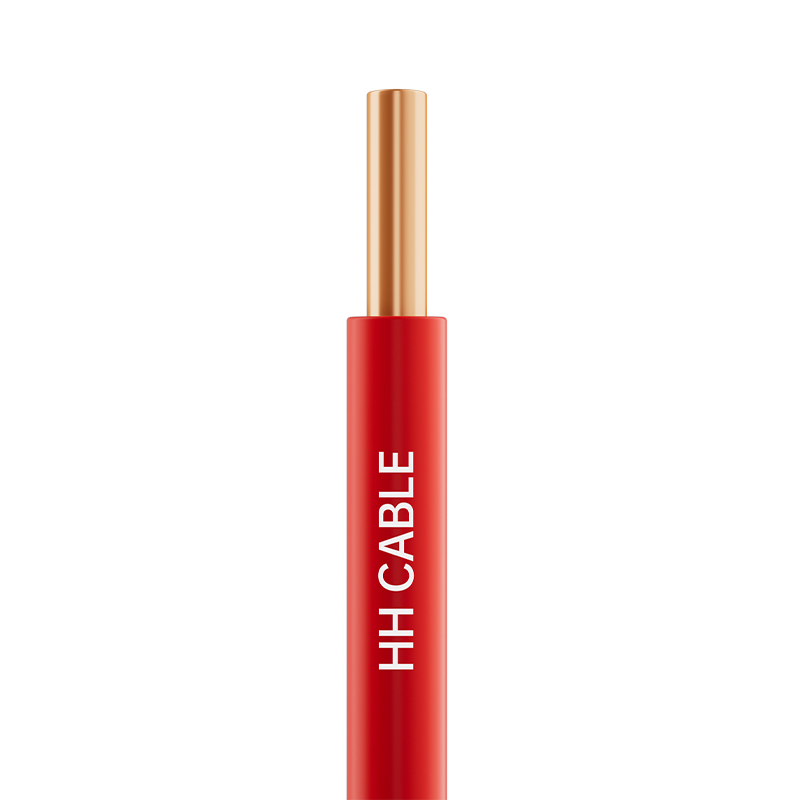 450-750V And Below PVC Insulated Cables, Wires And Cords Suppliers, Wholesale CoWuxi Henghui Cable Co., Ltd is China Suppliers of 450-750V And Below PVC Insulated Cables, Wires And Cords, Wholesale 450-750V And Below ...View Product →
Commercial
Commercial parking lots and delivery zones change the math. Engineers routinely specify 24 inches for PVC under commercial pavement even where the NEC permits 18, because the surface load is unpredictable. A conduit under a commercial parking area effectively needs the same 24-inch cover as a street crossing, while the identical raceway alongside the building can sit at 18.
Industrial
Industrial plants add forklifts, steel wheel traffic, chemical spills, and vibration. Near process areas, rigid metal conduit at 6 inches is often the right call because RMC survives mechanical abuse. But for feeder runs between buildings, PVC at 24 inches carrying XLPE-insulated power cables is the more economical and common approach. The 1-83 kV XLPE-insulated power cables in the Henghui range are built for this service, with crosslinked insulation that resists moisture and long-term heat.
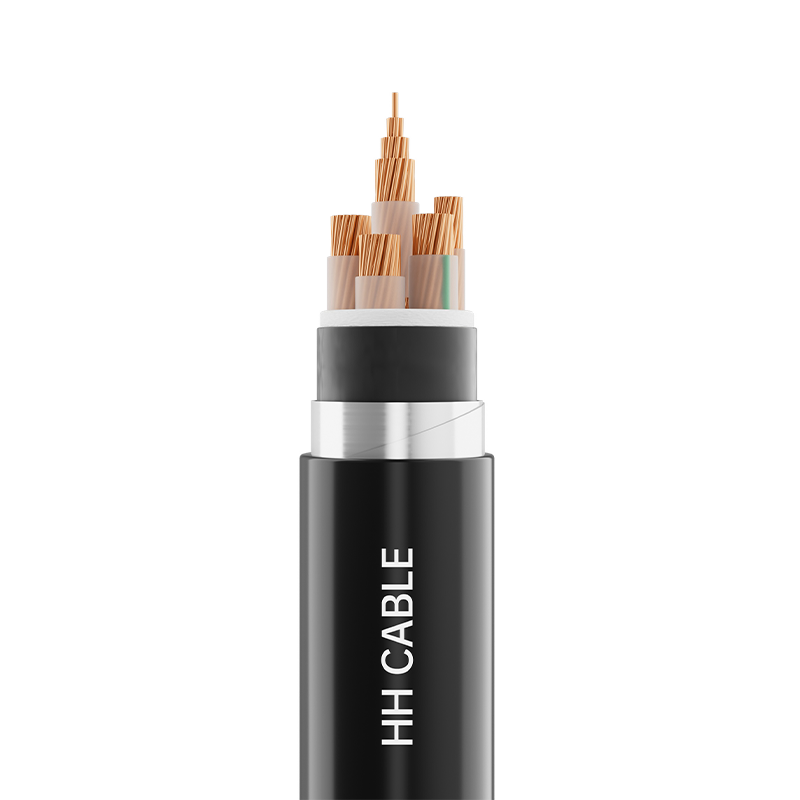 Fire Resistant Low Smoke Zero Halogen Cable ManufacturersHenghui offer 1.8-3kV Cross-Linked Polyethylene Insulated Power Cables, China Fire Resistant Cable Manufacturers and Low Smoke Zero Halog...View Product →
Utility
Utility distribution and medium-voltage projects work at a different scale. 6/35 kV feeders are typically buried 36 to 48 inches, well below the frost line in northern states. Deeper burial gives the cable a cooler, more stable thermal environment and protects it from contractors who routinely excavate 24 inches for water or sewer work. The 6/35 kV XLPE-insulated power cable designed for underground distribution is a common choice here because its insulation and metallic screen hold up across decades of buried service.
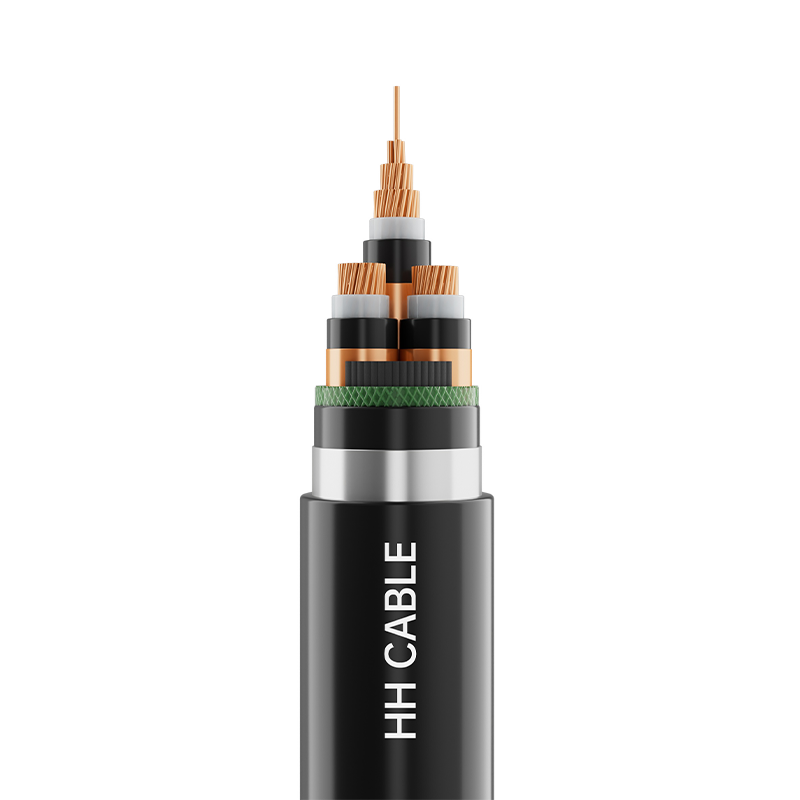 6-35kV Cross-Linked Polyethylene Insulated Power Cable Suppliers, Wholesale CompWuxi Henghui Cable Co., Ltd is China Suppliers of 6-35kV Cross-Linked Polyethylene Insulated Power Cable, Wholesale 6-35kV Cross-Linked P...View Product →
The Hidden Factors That Change the Ideal Depth
Code minimums are the starting point. The final depth on your drawing is a decision about soil, climate, and operational reality.
Local
amend.
amend.
Frost
depth
depth
Water
table
table
Soil
type
type
Surface
load
load
Frost depth matters in northern climates where frost reaches 40 inches; many local codes require conduit below the frost line to prevent heaving and shearing of the raceway. Rocky soil can make deeper trenching expensive, but a clean sand or stone bed around the conduit improves both thermal performance and mechanical protection. A high water table pushes the raceway deeper or requires conduit rated for continuous wet conditions. And surface load is the factor most people forget: a conduit under a driveway sees far more stress than one under a lawn.
Local amendments are the biggest variable of all. Many municipalities adopt a blanket 24-inch rule for any underground raceway to make inspection simple, even where the NEC would allow less. Checking the local code before you dig is faster than re-digging after a failed inspection.
Industry Application Distribution
Looking at buried-conduit work by project type, residential leads in the number of installations, while commercial and utility projects move much larger volumes of earth per site.
Residential 45%
Commercial 30%
Industrial 15%
Utility 10%
Residential projects drive the highest count of buried conduits because outdoor lighting, garage feeders, and patio circuits are common additions to existing homes. Commercial projects contribute fewer but deeper trenches, which is why their share of total trench volume is larger than their project count suggests. Industrial sites often choose RMC at 6 inches, so they appear smaller in an analysis of deep burial. Utility work is the smallest slice by project count but the largest by trench length when measured across the entire grid.
An Installation Workflow That Keeps the Trench Correct the First Time
A correct trench is a one-time job. Re-digging after a failed inspection is what costs real money. This order has worked on hundreds of sites.
Step 1
Call 811 before digging. One call locates gas, water, communications, and existing power. A gas line at 12 inches is a far worse discovery than an inspection failure.
Step 2
Confirm local amendments. Ask the building department whether the jurisdiction modifies NEC 300.5. Get the answer in writing; a screenshot of the code section is better than a hallway conversation.
Step 3
Measure from the bottom. Depth is measured to the top of the conduit at the shallowest point. Dig 10 percent deeper to allow for grade changes and settlement of the backfill.
Step 4
Lay the raceway properly. Use factory elbows for stub-ups, glue every PVC joint, and make sure the pull tape is installed before the trench closes.
Step 5
Schedule the inspection before backfill. An open-trench inspection catches depth, pipe size, and sweep radius problems while they are still cheap to fix.
Step 6
Compact in layers. Backfill in 6-inch lifts and compact each layer. Loose fill settles over freeze cycles and can pull PVC joints apart.
Maintenance and Compliance After the Trench Is Closed
Closing the trench does not end your responsibility. A buried conduit is a permanent asset, and the maintenance habits that surround it matter as much as the original depth.
Keep as-built records. Photograph the open trench with a tape measure in frame and mark the routing on a site plan. File those records; the next person working on the site will thank you. Recommended records to keep:
- Site plan with the conduit routing marked
- Depth measurements from the open trench
- Cable type, voltage rating, and conductor sizes
- Date of installation and inspection certificate
Install detectible warning tape 6 to 12 inches above the conduit. If someone digs into the zone, the tape gives an early warning before the shovel reaches the raceway.
Inspect exposed stub-ups during routine site walks. Look for cracked sweeps, missing bushings, and water entry at terminations. Exposed transitions are the most vulnerable part of any buried system.
The quality of the conductors inside the raceway is just as important as the depth outside it. The failure modes that apply to proper house wiring cable installation - nicked insulation, loose lugs, and over-tight bends - appear underground too. And when you are choosing cable for a buried feeder, it pays to understand what makes infrastructure construction cables different from standard cables before the trench closes.
PREV:Power Cable Manufacturing: Process, Quality Control, and Selection Guide for Buyers
NEXT:Railroad Cable Explained: Types, Key Standards, and How to Choose the Right One
NEXT:Railroad Cable Explained: Types, Key Standards, and How to Choose the Right One
Interested in cooperation or have questions?
Featured Products
Comprehensive Cable Solutions


Ready To Customise
Your Cable Products?
Your Cable Products?

Customized Cable Solutions, Bulk Wire Supplier in China. Relying on genuine core quality to build a renowned brand, striving to become a benchmark for advanced
cable standards.
Product Categories
Quick Links
Contact Us
-
Email: [email protected]

-
Mobile: +86-0510-87296815

-
Fax: +86-0510-87295158

-
No. 1, Fengyi Jinfeng Road, Guanlin Town, Yixing City, Jiangsu Province, China

Copyright © Wuxi Henghui Cable Co., Ltd. All Rights Reserved. Custom Cable Manufacturers Electrical Cables Factory
