


 English
 中文简体
中文简体 русский
Overhead Insulated Cable and XLPE Insulated Cable: A Complete Guide for Modern Power Distribution
Overhead Insulated Cable and XLPE Insulated Cable: A Complete Guide for Modern Power Distribution
Overhead Insulated Cable and XLPE Insulated Cable: A Complete Guide for Modern Power Distribution
Overhead Insulated Cable and XLPE Insulated Cable: A Complete Guide for Modern Power Distribution
Overhead Insulated Cable and XLPE Insulated Cable: A Complete Guide for Modern Power Distribution
Overhead Insulated Cable and XLPE Insulated Cable: A Complete Guide for Modern Power Distribution
Overhead Insulated Cable and XLPE Insulated Cable: A Complete Guide for Modern Power Distribution
Overhead Insulated Cable and XLPE Insulated Cable: A Complete Guide for Modern Power Distribution
Overhead Insulated Cable and XLPE Insulated Cable: A Complete Guide for Modern Power Distribution
Overhead Insulated Cable and XLPE Insulated Cable: A Complete Guide for Modern Power Distribution
Overhead Insulated Cable and XLPE Insulated Cable: A Complete Guide for Modern Power Distribution
Overhead Insulated Cable and XLPE Insulated Cable: A Complete Guide for Modern Power Distribution
Overhead Insulated Cable and XLPE Insulated Cable: A Complete Guide for Modern Power Distribution
Overhead Insulated Cable and XLPE Insulated Cable: A Complete Guide for Modern Power Distribution
Overhead Insulated Cable and XLPE Insulated Cable: A Complete Guide for Modern Power Distribution
Overhead Insulated Cable and XLPE Insulated Cable: A Complete Guide for Modern Power Distribution

Industry News
Home / News / Industry News / Overhead Insulated Cable and XLPE Insulated Cable: A Complete Guide for Modern Power Distribution
Product Category
NEW Category
Contact us
 +86-0510-87296815
Overhead Insulated Cable and XLPE Insulated Cable: A Complete Guide for Modern Power Distribution
Content
Understanding the Core Differences in Insulation Technology
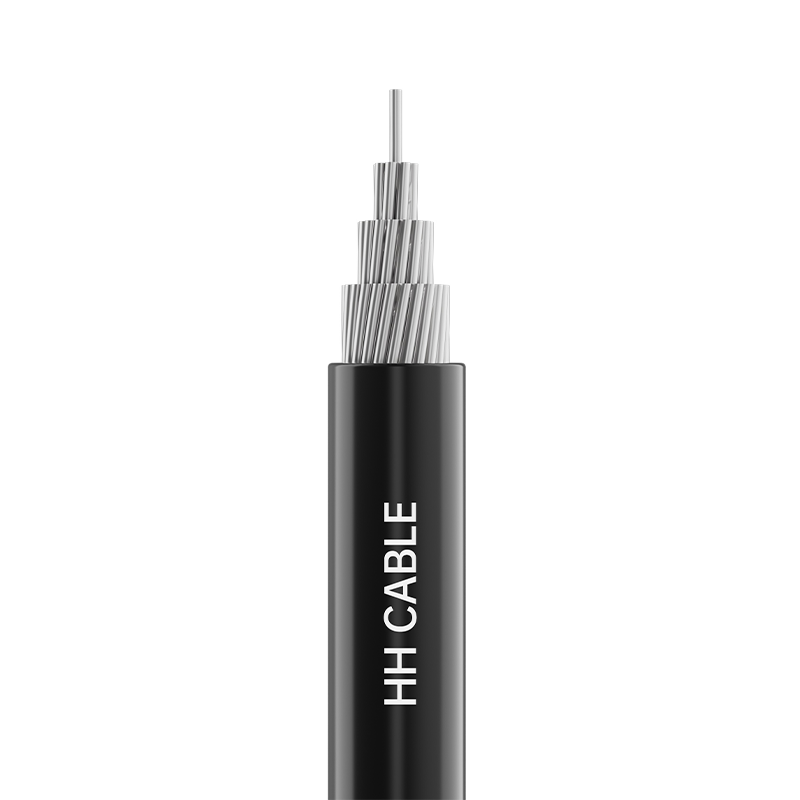
In modern power distribution networks, the choice between traditional bare conductors and insulated solutions is critical for safety and reliability. The overhead insulated cable has emerged as a superior alternative for urban and rural grids, offering protection against environmental factors and accidental contact. At the heart of this technology lies the insulation material, with Cross-Linked Polyethylene (XLPE) being the gold standard for medium-voltage applications. Unlike standard polyethylene, XLPE insulated cable undergoes a chemical or physical cross-linking process that transforms its molecular structure. This transformation significantly enhances thermal stability, mechanical strength, and resistance to environmental stress cracking, making it ideal for long-term outdoor exposure.
The primary advantage of using an overhead insulated cable over bare conductors is the reduction of fault incidents caused by tree branches, animals, or debris. When combined with XLPE insulation, these cables can operate at higher temperatures without degrading, allowing for increased current carrying capacity. This makes them particularly suitable for areas with high load density or where space for new infrastructure is limited. Understanding the specific properties of XLPE helps engineers and procurement specialists make informed decisions that balance cost, performance, and longevity.
Thermal Performance and Current Carrying Capacity
One of the most significant technical advantages of XLPE insulated cable is its superior thermal rating. Standard polyethylene insulation typically has a maximum continuous operating temperature of 75°C. In contrast, XLPE insulation can withstand continuous operating temperatures up to 90°C. This 15-degree difference may seem small, but it has a profound impact on the current carrying capacity of the cable. Higher operating temperatures allow the conductor to carry more current without risking insulation failure, which is crucial for meeting peak demand periods in modern grids.
Short-Circuit Withstand Capability
Beyond continuous operation, the short-circuit withstand capability is a vital safety parameter. During a fault condition, currents can spike dramatically, generating intense heat in a matter of seconds. XLPE insulated cable can withstand short-circuit temperatures up to 250°C for up to five seconds, whereas standard PE insulation is limited to 150°C. This higher tolerance provides a larger safety margin, reducing the risk of catastrophic insulation meltdown during fault events. For distribution engineers, this means greater system resilience and reduced maintenance costs associated with fault repairs.
| Parameter | PE Insulated Cable | XLPE Insulated Cable |
| Max Continuous Temp | 75°C | 90°C |
| Short-Circuit Temp | 150°C | 250°C |
| Current Capacity | Standard | Higher (+15-20%) |
| Water Tree Resistance | Low | High |
Installation Guidelines and Mechanical Constraints
Proper installation is paramount to ensuring the long-term performance of any overhead insulated cable. While XLPE offers robust mechanical properties, it is not immune to damage from improper handling. One of the most critical factors during installation is the bending radius. Exceeding the minimum bending radius can cause micro-cracks in the insulation or damage the conductor strands, leading to premature failure. For single-core cables, the minimum bending radius is typically 20 times the outer diameter, while for multi-core cables, it is 15 times the outer diameter.
- Always check the ambient temperature before installation. Do not install cables when the temperature is below -20°C, as the insulation becomes brittle and prone to cracking.
- Use appropriate pulling equipment and lubricants to reduce friction during cable pulling. Avoid direct contact with sharp edges or rough surfaces that could scratch the insulation.
- Ensure that support structures and clamps are designed to distribute load evenly. Point loading can cause deformation of the insulation over time, especially in high-wind areas.
- For transformer downleads, use flexible soft copper core cables to accommodate vibration and movement, preventing fatigue at the termination points.
Environmental Resistance and Longevity
Overhead lines are constantly exposed to harsh environmental conditions, including UV radiation, rain, snow, and temperature fluctuations. XLPE insulated cable exhibits excellent resistance to these elements. The cross-linked structure provides superior resistance to water treeing, a phenomenon where moisture penetrates the insulation under electrical stress, creating microscopic channels that eventually lead to breakdown. This makes XLPE the preferred choice for humid coastal regions or areas with frequent rainfall.
Furthermore, the robust nature of XLPE allows for closer proximity to vegetation compared to bare conductors. While clearance is still required, the risk of flashover due to temporary contact with tree branches is significantly reduced. This feature simplifies right-of-way management and reduces the frequency of tree trimming operations, lowering overall maintenance costs for utility companies. The expected service life of a well-installed XLPE overhead insulated cable is over 30 years, providing a reliable return on investment.
Selection Criteria for Modern Distribution Networks
Choosing the right cable involves balancing technical requirements with economic considerations. For low-voltage rural electrification projects where cost is a primary driver and load demands are modest, standard PE insulated cables may suffice. However, for urban distribution networks, industrial zones, or areas with high load growth, XLPE insulated cable is the clear winner. Its ability to handle higher currents and withstand harsher conditions justifies the slightly higher initial cost through reduced losses and lower maintenance needs.
When specifying cables, consider the conductor material as well. Aluminum alloy conductors offer a lightweight and cost-effective solution for long spans, while copper conductors provide superior conductivity and flexibility for complex installations like transformer connections. By combining the right conductor with XLPE insulation, utilities can build a resilient, efficient, and safe power distribution network capable of meeting the demands of the future. Always consult relevant international standards such as IEC or local national standards to ensure compliance and safety.
PREV:10kV Overhead Insulated Cable Tree Guide
NEXT:Cable Crimps for Control Cables: Selection, Installation & Quality Standards
NEXT:Cable Crimps for Control Cables: Selection, Installation & Quality Standards
Interested in cooperation or have questions?
Featured Products
Comprehensive Cable Solutions


Ready To Customise
Your Cable Products?
Your Cable Products?

Customized Cable Solutions, Bulk Wire Supplier in China. Relying on genuine core quality to build a renowned brand, striving to become a benchmark for advanced
cable standards.
Product Categories
Quick Links
Contact Us
-
Email: [email protected]

-
Mobile: +86-0510-87296815

-
Fax: +86-0510-87295158

-
No. 1, Fengyi Jinfeng Road, Guanlin Town, Yixing City, Jiangsu Province, China

Copyright © Wuxi Henghui Cable Co., Ltd. All Rights Reserved. Custom Cable Manufacturers Electrical Cables Factory
