


 English
 中文简体
中文简体 русский
Construction Cables & House Wiring Wire Guide
Construction Cables & House Wiring Wire Guide
Construction Cables & House Wiring Wire Guide
Construction Cables & House Wiring Wire Guide
Construction Cables & House Wiring Wire Guide
Construction Cables & House Wiring Wire Guide
Construction Cables & House Wiring Wire Guide
Construction Cables & House Wiring Wire Guide
Construction Cables & House Wiring Wire Guide
Construction Cables & House Wiring Wire Guide
Construction Cables & House Wiring Wire Guide
Construction Cables & House Wiring Wire Guide
Construction Cables & House Wiring Wire Guide
Construction Cables & House Wiring Wire Guide
Construction Cables & House Wiring Wire Guide
Construction Cables & House Wiring Wire Guide

Industry News
Product Category
NEW Category
Contact us
 +86-0510-87296815
Construction Cables & House Wiring Wire Guide
Content
- 1 Understanding Construction Cables and Their Role in Modern Buildings
- 2 Core Types of Construction Cables Used Across Building Projects
- 3 Wire for House Wiring: Selecting the Right Conductor for Residential Circuits
- 4 Special Cable Types for Demanding Construction Environments
- 5 Quality Standards and What to Look for When Sourcing Construction Cables
- 6 Installation Practices That Protect Cable Performance Over the Building's Lifetime
Understanding Construction Cables and Their Role in Modern Buildings
Construction cables form the electrical backbone of every built structure — from residential homes and commercial offices to industrial facilities and public infrastructure. Selecting the correct cable type for each application is not simply a procurement decision; it is a fundamental engineering choice that directly affects the safety, energy efficiency, and long-term reliability of the entire electrical installation. Poor cable selection leads to overheating, voltage drop, insulation breakdown, and in the worst cases, electrical fires that cause catastrophic damage.
The construction sector uses an exceptionally wide range of cable types, each engineered for specific environmental conditions, load requirements, and installation methods. Understanding the differences between these types — and knowing which is appropriate for a given situation — is essential knowledge for electrical contractors, project engineers, and building owners alike. This guide focuses on the practical aspects of selecting and applying construction cables and wire for house wiring across the full spectrum of building projects.
Core Types of Construction Cables Used Across Building Projects
Construction projects at different scales demand fundamentally different cable solutions. A residential build relies primarily on flexible, easy-to-install wiring for lighting and power circuits. A commercial high-rise introduces armored cables, fire-resistant circuits, and low-smoke halogen-free (LSHF) requirements. An industrial facility adds high-voltage feeders, control cables, and cables rated for chemical or mechanical exposure. The following categories represent the primary cable types used across these environments.
Plastic-Insulated Power Cables
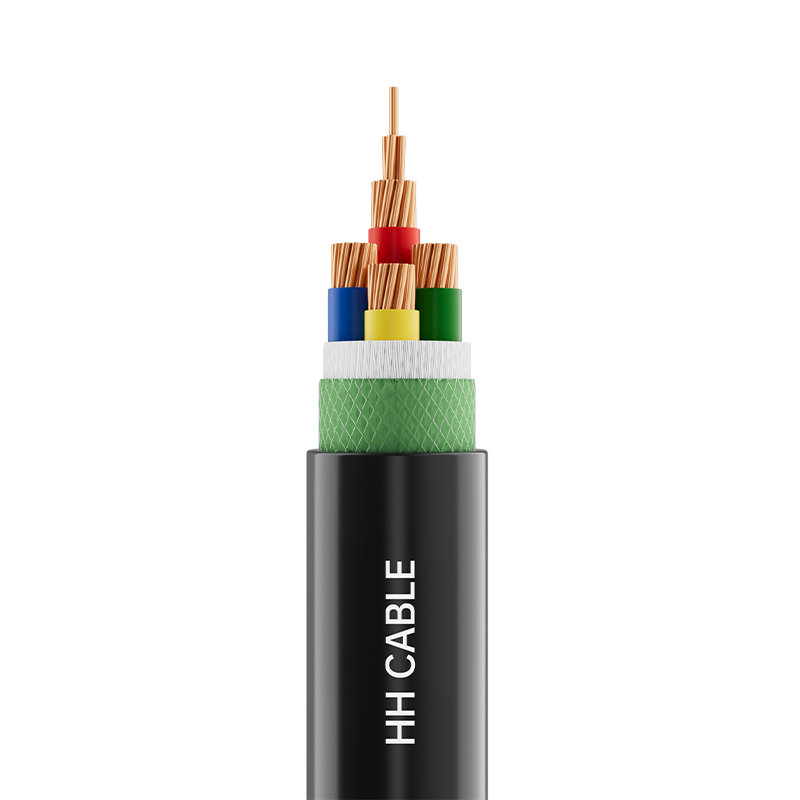
Plastic-insulated power cables — primarily PVC or XLPE insulated — are the most widely used category in building construction. PVC-insulated cables are cost-effective and suitable for general wiring in conduit or trunking systems within normal temperature ranges. Cross-linked polyethylene (XLPE) insulated cables offer superior thermal performance, with continuous operating temperatures up to 90°C compared to 70°C for standard PVC. XLPE cables also exhibit better resistance to moisture and chemical attack, making them the preferred choice for outdoor cable routes, underground duct installations, and any application where elevated conductor temperatures are expected under full load.
High and Low-Voltage Cross-Linked Cables
For building supply infrastructure and substation connections, high-voltage cross-linked cables rated up to 110kV provide the transmission capacity required by large commercial and industrial facilities. Low-voltage XLPE cables, typically rated at 0.6/1kV, are used for main distribution boards, sub-main feeders, and plant rooms where thermal performance and long-term insulation integrity are priorities. The cross-linking process creates a three-dimensional polymer network that resists softening at elevated temperatures and maintains dielectric strength over decades of service — a critical advantage in any cable that will be difficult or expensive to replace after installation.
Control Cables
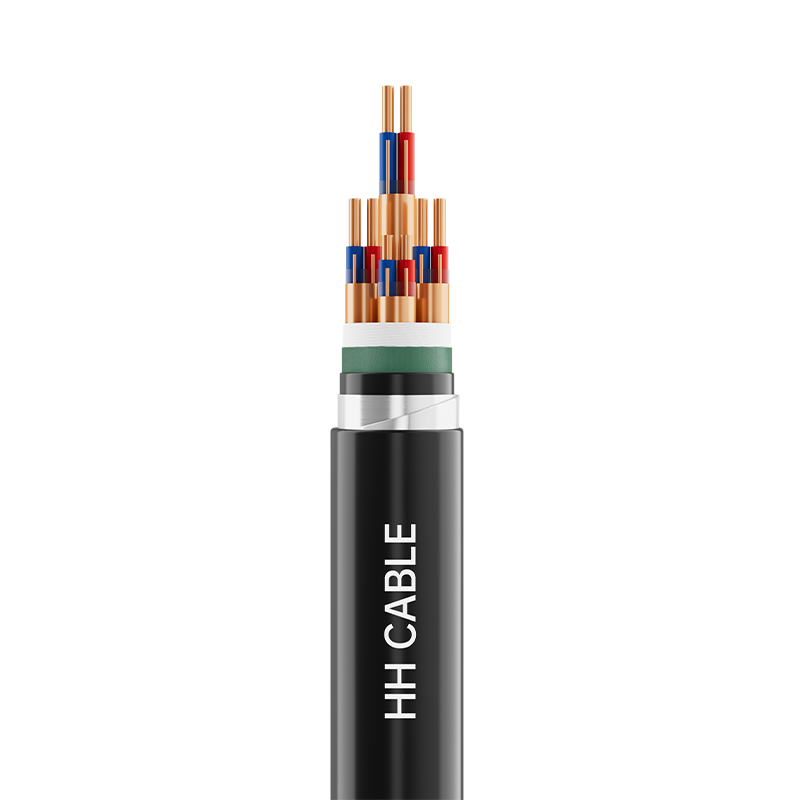
Control cables carry low-current signals for building management systems, fire alarm circuits, access control, HVAC controls, and motor starter circuits. They typically consist of multiple small-gauge conductors — often 0.75mm² to 2.5mm² — within an overall sheath, sometimes with an overall screen to prevent electromagnetic interference from power circuits running in proximity. In buildings with extensive automation systems, control cable routing must be carefully segregated from power cables to maintain signal integrity.
Insulated Overhead Cables
Where underground installation is impractical or cost-prohibitive, insulated overhead cables provide a safe alternative for site distribution and external building connections. Unlike bare overhead conductors, insulated overhead cables eliminate the hazard of accidental contact and can be installed at reduced clearances, making them particularly valuable in constrained urban construction sites or where cable routes pass through vegetated areas.
Wire for House Wiring: Selecting the Right Conductor for Residential Circuits
Residential electrical installations have their own specific requirements that differ meaningfully from commercial or industrial wiring. The wire for house wiring must balance safety, flexibility, ease of installation, and long-term reliability — all within the cost constraints typical of residential construction budgets. Choosing correctly from the available options is essential to building a home electrical system that performs safely across the full service life of the building.
Conductor Material: Copper vs. Aluminum
Copper remains the dominant conductor material for house wiring due to its superior conductivity, flexibility, and connection reliability. However, aluminum alloy cables have gained significant acceptance for larger residential service entrance conductors and sub-main runs, where their lower weight and cost provide practical advantages without compromising safety when correctly terminated. Modern aluminum alloy conductors — unlike pure aluminum — address the historical concerns about creep and cold flow at connection points, making them a viable and increasingly popular option for residential feeder applications.
Cross-Section Sizing for Common Residential Circuits
Correct conductor sizing is the single most important factor in residential wiring safety. Undersized conductors overheat under load, degrading insulation and creating fire risk. The following table provides standard conductor cross-section guidance for typical residential circuits:
| Circuit Type | Typical Load | Recommended Cross-Section | Protective Device |
|---|---|---|---|
| Lighting circuits | Up to 1,200W | 1.5mm² | 10A MCB |
| General power sockets | Up to 3,000W | 2.5mm² | 16A MCB |
| Kitchen appliances | Up to 5,000W | 4mm² | 25A MCB |
| Electric shower / cooker | Up to 10,000W | 6mm² – 10mm² | 40A – 50A MCB |
| Consumer unit main feed | Full house load | 16mm² – 25mm² | 60A – 100A main switch |
These values assume installation in conduit at ambient temperatures up to 30°C. Where cables are grouped together, buried in thermal insulation, or installed in warm roof spaces, derating factors must be applied and cross-sections increased accordingly to prevent sustained overtemperature operation.
Special Cable Types for Demanding Construction Environments
Beyond standard power and wiring circuits, construction projects frequently require cable types engineered for specific environmental challenges. Understanding when and why these specialized cables are necessary prevents costly specification errors and ensures compliant, safe installations.
- Mining cables: Designed for use in underground mining and tunneling projects, mining cables feature heavily reinforced sheaths, flame-retardant and antistatic compounds, and robust mechanical protection to withstand the extreme physical abuse, moisture, and methane-hazardous atmospheres typical of underground excavation environments.
- Computer and data cables: Modern commercial and residential construction increasingly incorporates structured cabling for data networks, building automation, and smart home systems. Computer cables within this category are designed with controlled impedance, low attenuation, and effective electromagnetic shielding to support reliable high-speed data transmission alongside power wiring.
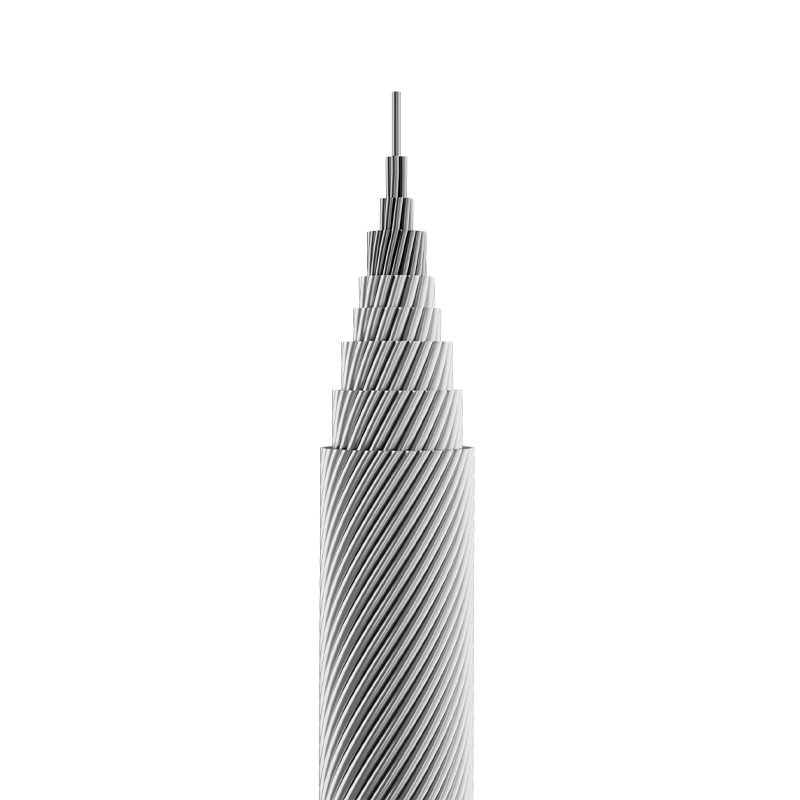
- Aluminum alloy cables: Increasingly specified for residential and commercial sub-main distribution, aluminum alloy cables offer a weight saving of approximately 50% compared to copper alternatives of equivalent current capacity. Their improved mechanical properties over pure aluminum — including higher tensile strength and creep resistance — make them a safe and cost-effective solution for longer feeder runs within building electrical systems.
- Fire-resistant cables: Required by building codes for emergency systems including fire alarms, emergency lighting, and smoke control. These cables maintain circuit integrity for a defined period — typically 30, 60, or 120 minutes — under direct flame exposure, allowing safe building evacuation and firefighter operations.
- Low-smoke halogen-free (LSHF) cables: Mandatory in enclosed public spaces, transport infrastructure, and high-occupancy buildings. In the event of fire, standard PVC cables release dense toxic smoke and hydrochloric acid gas. LSHF cables dramatically reduce both smoke opacity and toxic gas emission, significantly improving survival chances for building occupants and emergency responders.
Quality Standards and What to Look for When Sourcing Construction Cables
The construction cable market contains a wide spectrum of product quality. At the top end, cables from established building wires manufacturers and house wiring cables suppliers are produced to full international standards with comprehensive third-party testing and certification. At the lower end, substandard products with undersized conductors, off-specification insulation compounds, and falsified certification documents create serious safety hazards that may not become apparent until years after installation.
When evaluating construction cables for any project, the following quality indicators should be verified before procurement:
- Third-party certification: Look for cables certified to IEC, BS, GB, or equivalent national standards by recognized independent testing laboratories. Certification confirms that the cable design has been independently validated, not merely that the manufacturer claims compliance.
- Conductor cross-section verification: Substandard cables frequently use conductors with actual cross-sections 10–20% below the labeled value. Resistance testing or physical measurement of the conductor can quickly identify this common form of fraud.
- Insulation material and thickness: The insulation compound and wall thickness determine the cable's voltage rating, temperature rating, and mechanical durability. These should match the manufacturer's published data sheet and relevant standard requirements.
- Production traceability: Reputable suppliers provide drum labels, length markings, and batch traceability that allow cables to be traced back to specific production runs and material test records — essential for quality audits and warranty claims.
- Manufacturer capability range: Suppliers capable of producing a comprehensive range — from low-voltage wire for house wiring up to high-voltage power cables at 110kV — typically operate at a manufacturing scale and technical level that supports consistent quality across their entire product line.
Working with established building wires manufacturers and house wiring cables suppliers that maintain full production capability across cable types — including plastic-insulated power cables, control cables, cross-linked high and low-voltage cables, insulated overhead cables, mining cables, computer cables, and aluminum alloy cables — provides a significant procurement advantage. A single qualified supplier can cover the full cable requirement of a complex construction project, ensuring consistent quality standards, simplified logistics, and consolidated technical support.
Installation Practices That Protect Cable Performance Over the Building's Lifetime
Even correctly specified, high-quality construction cables will underperform or fail prematurely if installed incorrectly. The following installation practices are essential to preserving cable integrity from the point of installation through decades of service.
- Respect minimum bending radii: Bending cables tighter than their minimum bending radius — typically six to eight times the overall cable diameter for multicore cables — deforms insulation and can cause conductor damage that creates localized resistance hotspots invisible during initial testing.
- Avoid cable grouping without derating: Cables installed in bundles share heat and cannot dissipate it as effectively as individually routed cables. Grouping factors must be applied to conductor sizing calculations wherever multiple loaded cables share a common route.
- Protect cables from mechanical damage: Surface-mounted cables in accessible areas must be protected by conduit or trunking. Underground cables require either armoring or installation within rated protective ducting at appropriate burial depths.
- Terminate connections correctly: Both power cable and house wiring connections must be made with appropriately rated terminals, correct torque values, and — where dissimilar metals are joined — bi-metallic transition connectors. Poorly made connections are the leading cause of electrical failures in completed buildings.
- Test before energizing: Insulation resistance testing, continuity testing, and polarity verification should be completed on all circuits before connection to the supply. These tests take minutes to perform and reliably detect installation errors that could cause equipment damage or safety hazards at first energization.
Whether the project involves low-voltage wire for house wiring in a residential development or high-voltage construction cables for a major infrastructure build, the principles of correct specification, quality sourcing, and careful installation remain constant. Investing time and attention in each of these areas at the project stage pays dividends in reduced maintenance costs, improved energy efficiency, and most importantly, electrical installations that remain safe and reliable for the full design life of the building.
PREV:Electric Transmission Cable Engineering Guide
NEXT:Electric & Overhead Transmission Cable Guide
NEXT:Electric & Overhead Transmission Cable Guide
Interested in cooperation or have questions?
Featured Products
Comprehensive Cable Solutions


Ready To Customise
Your Cable Products?
Your Cable Products?

Customized Cable Solutions, Bulk Wire Supplier in China. Relying on genuine core quality to build a renowned brand, striving to become a benchmark for advanced
cable standards.
Product Categories
Quick Links
Contact Us
-
Email: [email protected]

-
Mobile: +86-0510-87296815

-
Fax: +86-0510-87295158

-
No. 1, Fengyi Jinfeng Road, Guanlin Town, Yixing City, Jiangsu Province, China

Copyright © Wuxi Henghui Cable Co., Ltd. All Rights Reserved. Custom Cable Manufacturers Electrical Cables Factory
