


 English
 中文简体
中文简体 русский
product
product
product
product
product
product
product
product
product
product
product
product
product
product
product
product

Product Category
Contact us
 +86-0510-87296815
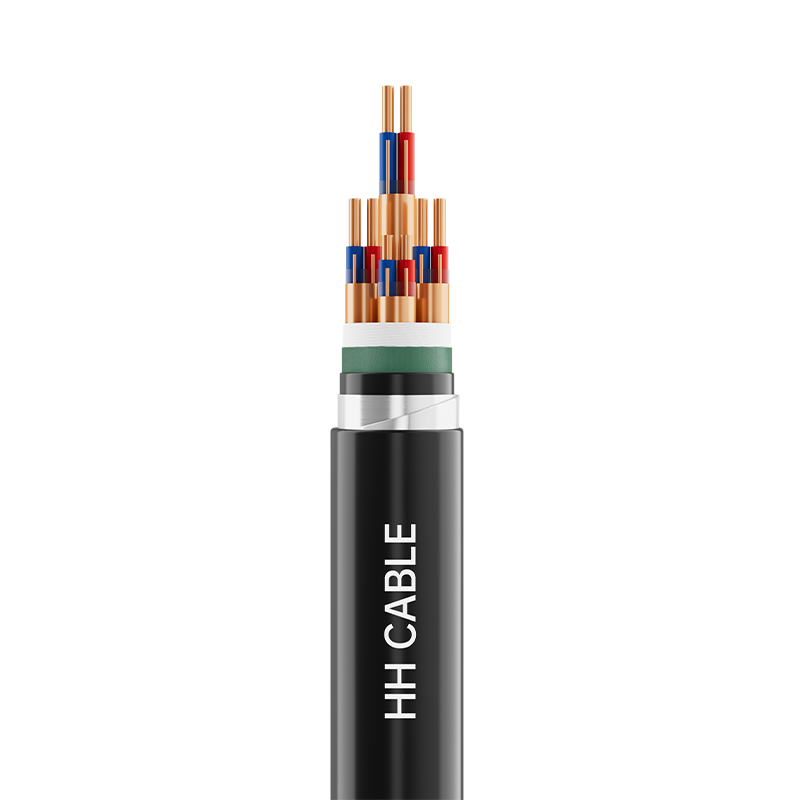
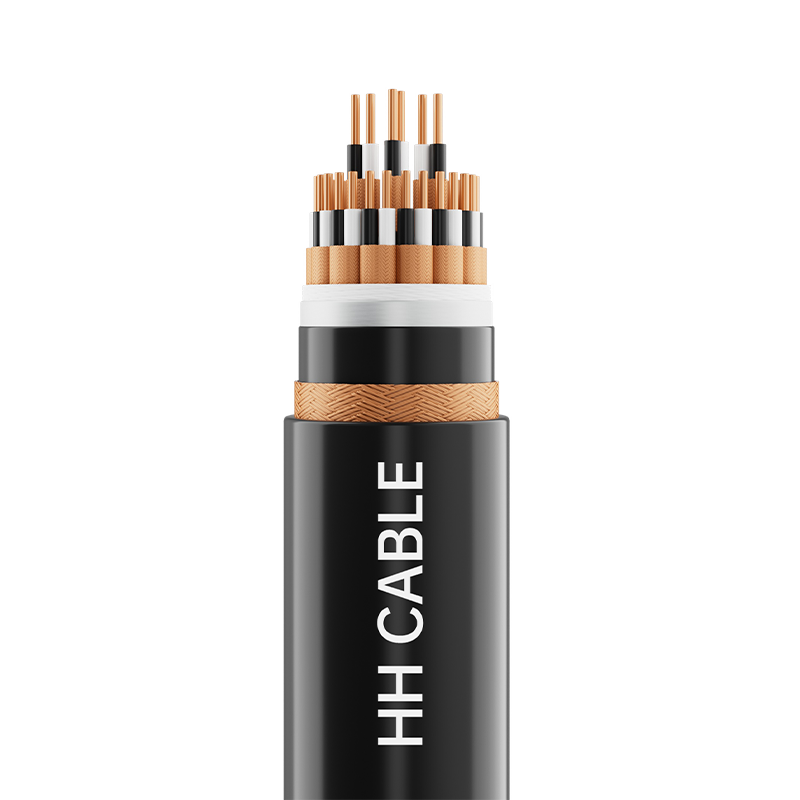
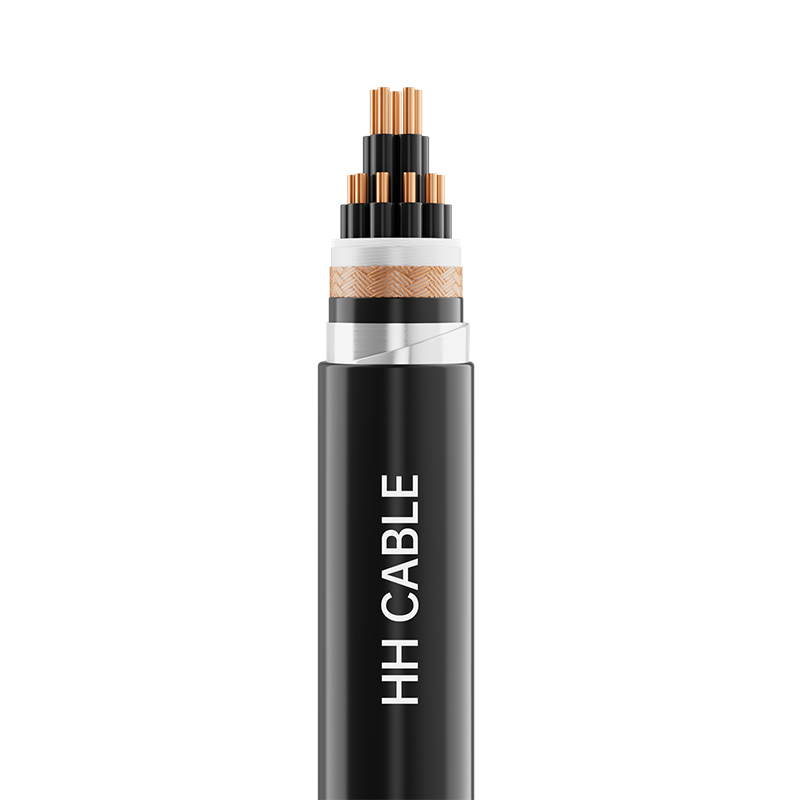
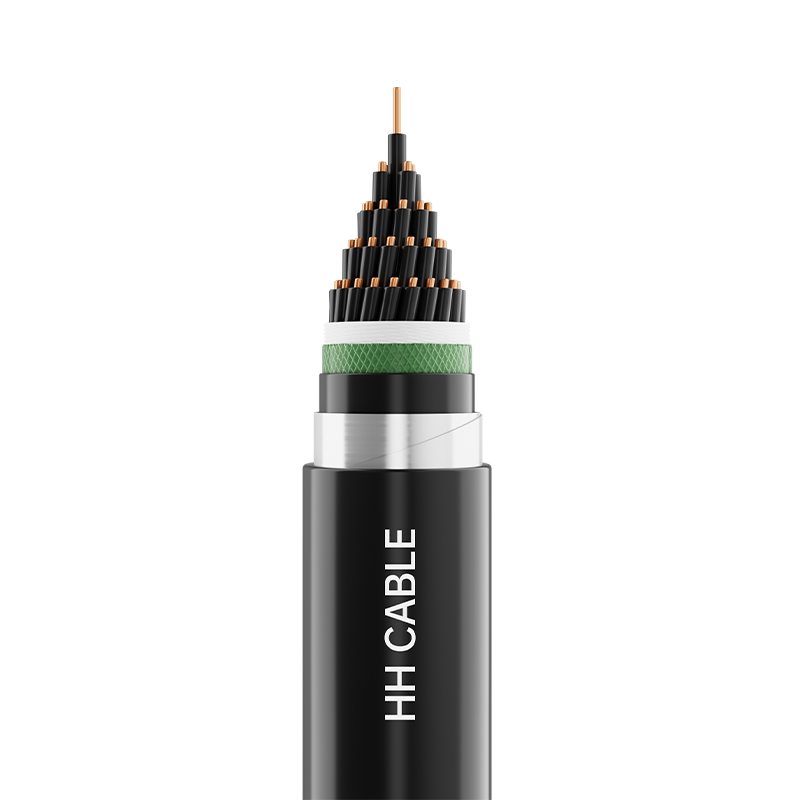
Control Cables Manufacturers
Message Feedback
About Us
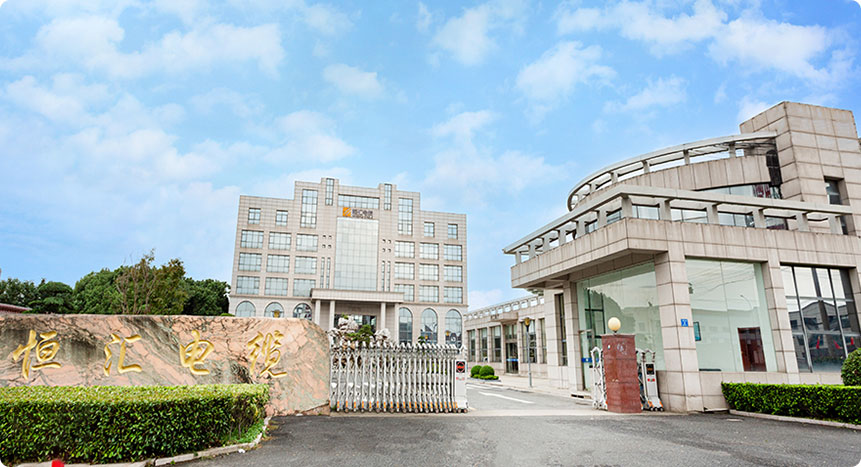
Wuxi Henghui Cable Co., Ltd.
Is A Manufacturer Specializing In The Research,
Development, Production, and Sales Of Wires and Cables.
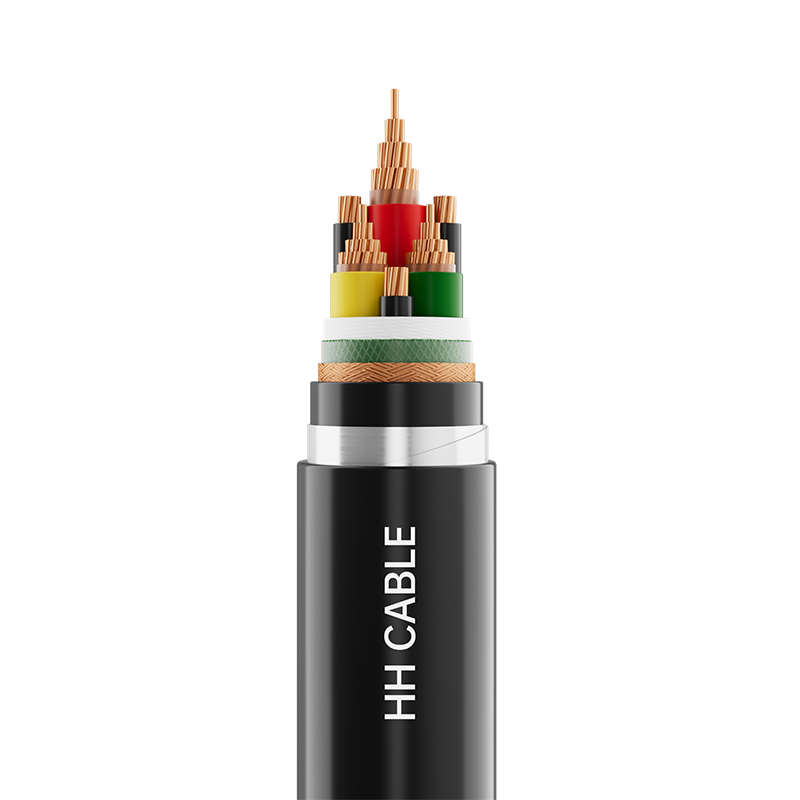
As Control Cables Manufacturers and Instrumentation Cable Factory in China, the company primarily produces power cables up to 110kV and below, including high and low-voltage cross-linked cables, plastic-insulated power cables, control cables, insulated overhead cables, mining cables, computer cables, aluminum alloy cables, as well as other special types of cables.
Over the years, Henghui Cable has earned a strong reputation among its customers. Computer and Instrument Cables Manufacturers. We are committed to providing reliable products, competitive prices, and comprehensive services to meet the needs of our users. We sincerely welcome both new and existing customers to collaborate with us.
-
0m2
Factory Area
-
0+
Technical Personnel
-
0+
Professional Equipment

WUXI HENGHUI CABLE CO., LTD.
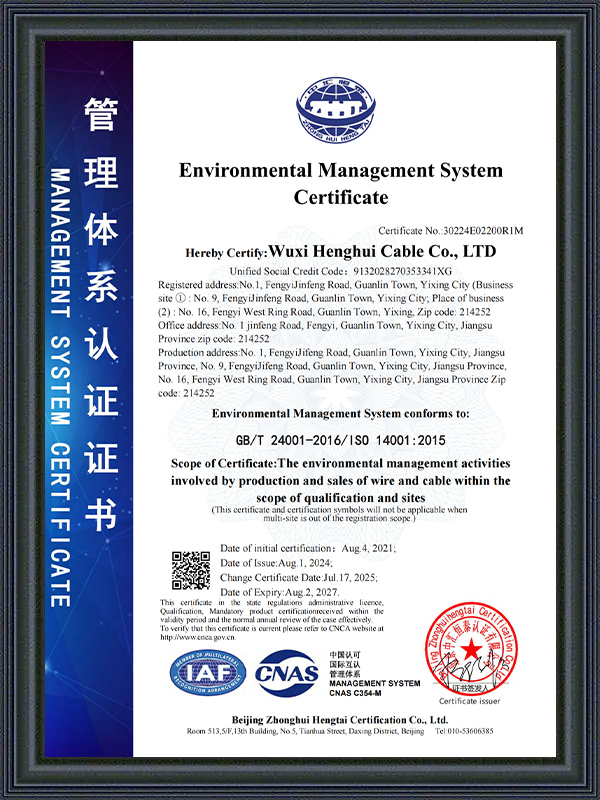
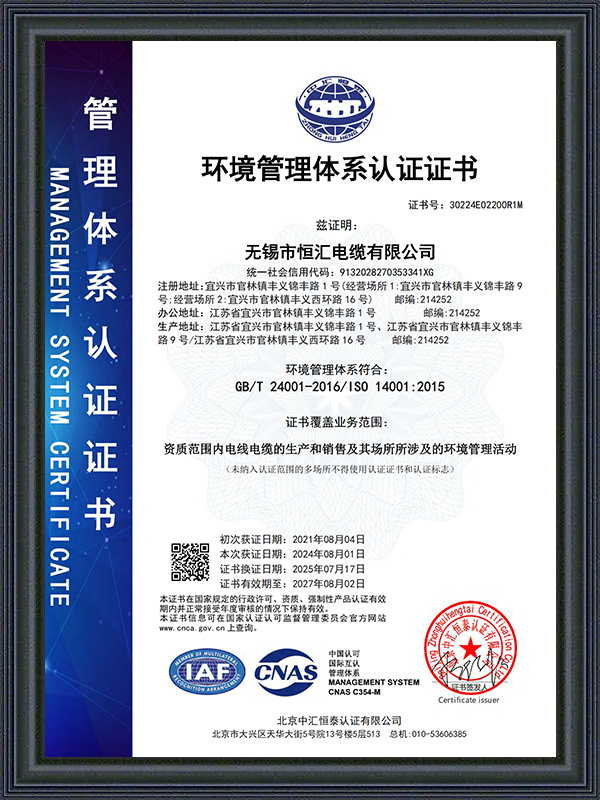
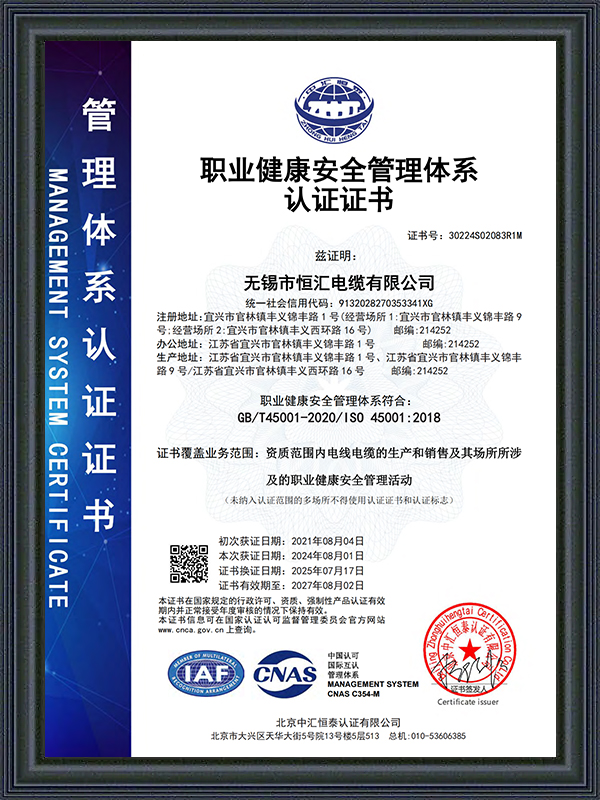
Certificate Of Honor
.jpg)
.jpg)
.jpg)
What’s News
Industry Insights & Updates
View All News
-
2026-03-02Industry News
-
2026-02-24Industry News
-
2026-02-19Industry News
-
2026-02-09Industry News
Industry Knowledge
Control Cable Design and Signal Integrity
Control cables are crucial in industrial and automation systems, transmitting low-voltage signals between equipment and control panels. Ensuring signal integrity is critical, especially in environments with high electromagnetic interference (EMI). Twisted pair configurations, proper shielding, and optimized conductor materials reduce noise and crosstalk. At Henghui Cable, we carefully design our control cables to maintain consistent signal quality, allowing automation systems to operate safely and efficiently.
Instrumentation Cable Accuracy and Reliability
Instrumentation or instrument cables carry sensitive data from sensors, transducers, and meters to monitoring systems. Accuracy depends on low capacitance, high insulation resistance, and effective shielding to prevent interference. Multi-core designs often separate power and signal conductors to minimize mutual induction. I personally oversee our production of instrumentation cables to ensure that critical measurement data remains precise even in electrically noisy industrial environments.
Shielding Techniques in Control and Instrument Cables
Shielding is essential for minimizing EMI and maintaining signal clarity. Common techniques include:
- Foil shields: Provide 100% coverage for high-frequency noise protection.
- Braided copper shields: Offer excellent mechanical flexibility and robust EMI protection.
- Combination shields: Foil and braid layers together maximize noise reduction.
- Drain wires: Facilitate grounding of the shield for improved performance.
These designs are applied differently depending on the number of cores, cable length, and environmental requirements.
Environmental Considerations for Instrument Cables
Control and instrumentation cables are often exposed to harsh industrial conditions such as high temperatures, chemical exposure, moisture, and mechanical stress. Key protective measures include:
- XLPE or PVC insulation to resist temperature and chemical degradation.
- Flexible sheathing to withstand vibration and repeated bending.
- UV-resistant jackets for cables installed in outdoor or semi-outdoor environments.
- Reinforced armoring for mining or high-impact industrial applications.
We carefully select materials and construction methods to ensure our instrument cables endure demanding conditions while maintaining performance.
Multi-Core Cable Arrangements and Applications
Multi-core control and instrument cables allow simultaneous transmission of multiple signals or power lines while minimizing cable clutter. Common arrangements include parallel cores, twisted pairs, and individually shielded cores. Advantages include reduced EMI, simplified installation, and easier maintenance. I often consult with clients to determine the optimal core arrangement for specific automation or instrumentation systems to ensure both performance and cost-efficiency.
Comparative Overview of Control and Instrument Cables
The following table compares key properties and typical applications of common control and instrumentation cable types:
| Cable Type | Core Configuration | Shielding | Typical Applications | Key Benefits |
|---|---|---|---|---|
| Control Cable | 2-50 cores | Foil or braided | Automation systems, motor control | Signal integrity, reliable power distribution |
| Instrumentation Cable | 2-24 cores | Foil or foil + braid | Sensors, transducers, meters | High measurement accuracy, EMI protection |
| Instrument Cable | 2-12 cores | Foil or braided | Data acquisition, process monitoring | Reliable signal transfer, flexible installation |
Installation and Maintenance Guidelines
Proper installation is critical for control and instrument cables to maintain signal integrity. Key guidelines include:
- Maintain minimum bending radius during routing to prevent conductor or insulation damage.
- Separate power and signal cables to minimize interference.
- Ensure proper grounding of shields to reduce EMI effects.
- Periodic inspection for insulation wear, mechanical stress, or moisture ingress.
We provide installation support to our clients, helping ensure optimal performance and long cable lifespan.
Future Developments in Instrumentation Cabling
Emerging trends in instrumentation and control cables include enhanced shielding, lightweight materials, and cables with embedded monitoring capabilities. Self-diagnosing cables with integrated temperature or voltage sensors allow predictive maintenance, reducing downtime in critical systems. At Henghui Cable, we are exploring these advanced solutions to provide smarter, more reliable cables that meet evolving industrial requirements.
Conclusion
Control, instrumentation, and instrument cables are essential for accurate, safe, and reliable operation of industrial and automation systems. From shielding techniques to material selection and installation practices, each factor contributes to long-term performance. At Henghui Cable, our dedication to quality and technical expertise ensures that our cables deliver dependable results for all your control and instrumentation needs.


Ready To Customise
Your Cable Products?
Your Cable Products?

Instrumentation Cable Factory, Computer and Instrument Cables Manufacturers in China. Relying on genuine core quality to build a renowned brand, striving to become a benchmark for advanced
cable standards.
Product Categories
Quick Links
Contact Us
-
Email: [email protected]

-
Mobile: +86-0510-87296815

-
Fax: +86-0510-87295158

-
No. 1, Fengyi Jinfeng Road, Guanlin Town, Yixing City, Jiangsu Province, China

Copyright © Wuxi Henghui Cable Co., Ltd. All Rights Reserved. Custom Instrument Cables Control Cables Factory
